




 Christmas
 Search

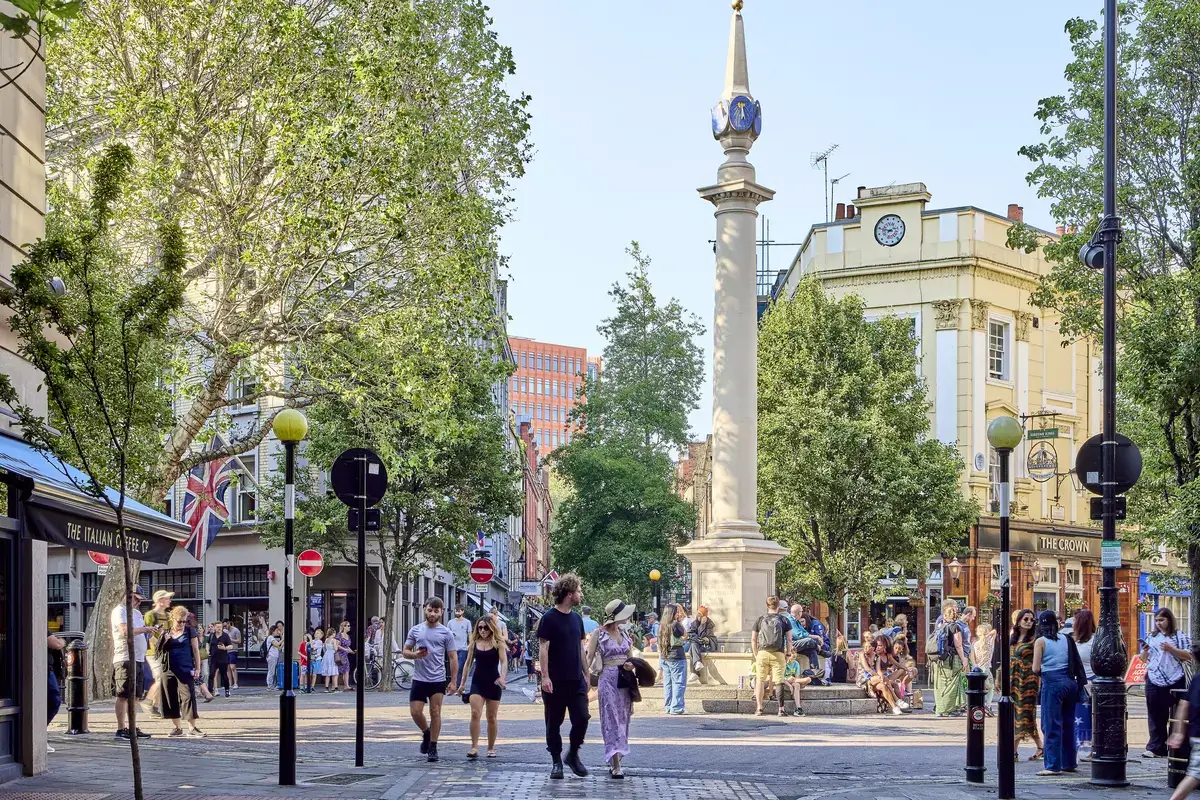
The History of Seven Dials
Seven Dials was originally established by Thomas Neale, MP in the early 1690s, who cleverly laid out the area in a series of triangles to maximise the number of houses for rental.
The names of the seven streets were chosen with the intention of attracting affluent residents, however some of the names have subsequently been simplified or changed because of duplication with other streets in London. They were originally: Little and Great Earl Street (now Earlham Street), Little and Great White Lyon Street (now Mercer Street), Queen Street (now Shorts Gardens) and Little & Great St. Andrew’s Street (now Monmouth Street). Some of the original street signs can still be seen attached to buildings in the area.
For something with a little Parisian flair, La Compagnie delivers rare bottles in a stylish, low-lit setting that’s perfect for a leisurely evening. And for a relaxed, bistro-style experience, The 10 Cases offers a small but ever-changing wine list, served alongside thoughtful plates in a cosy, down-to-earth space beloved by locals and visitors alike.
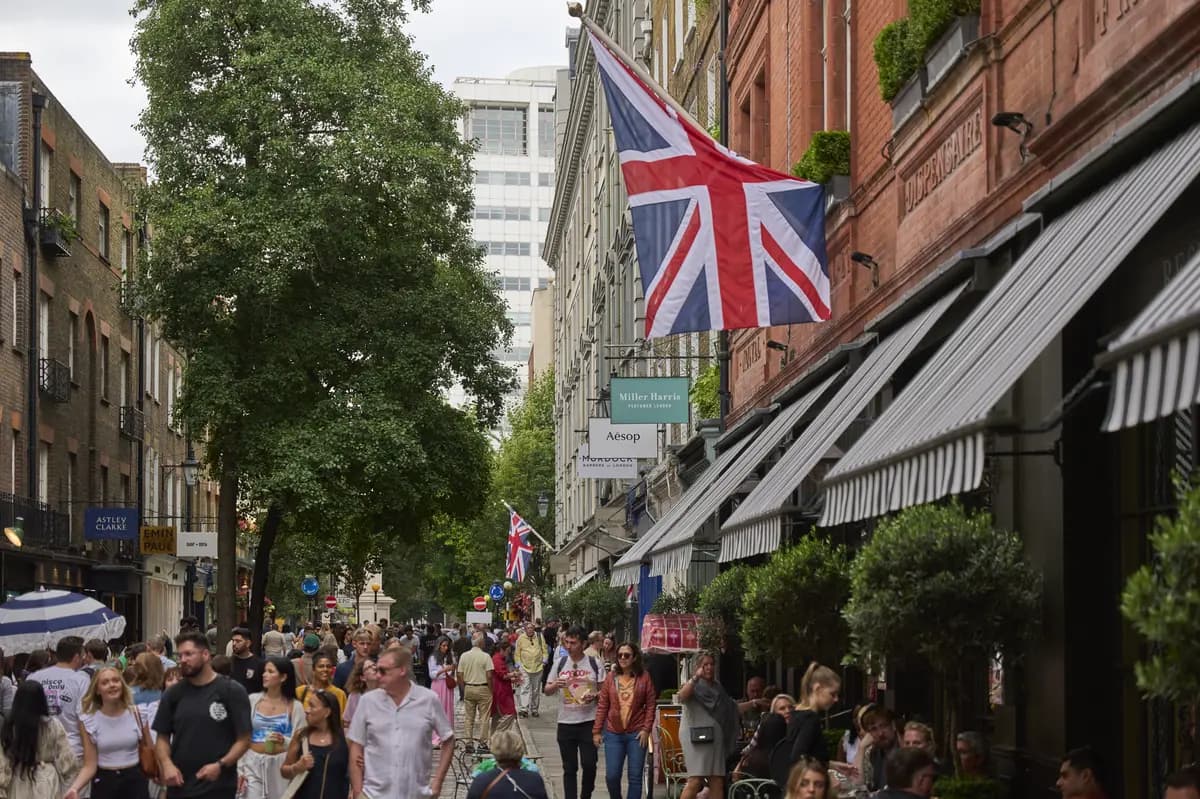
'One of London's great public ornaments'
Neale commissioned England’s leading stonemason, Edward Pierce, to design and construct the Sundial Pillar in 1693-4 as the centrepiece of his development in Seven Dials. The Pillar was topped by six sundial faces, the seventh ‘style’ being the column itself. It was regarded as one of London’s ‘great public ornaments’ and the layout and identity of the area revolves around it.
Neale aimed to establish Seven Dials as the most fashionable address in London, following in the footsteps of the successful Covent Garden Piazza development earlier that century. Unfortunately, the area failed to establish itself as Neale hoped and deteriorated into a slum, renowned for its gin shops. At one point each of the seven apexes facing the Monument housed a pub, their cellars and vaults connected in the basement providing handy escape routes should the need arise.
Seven Dials Market
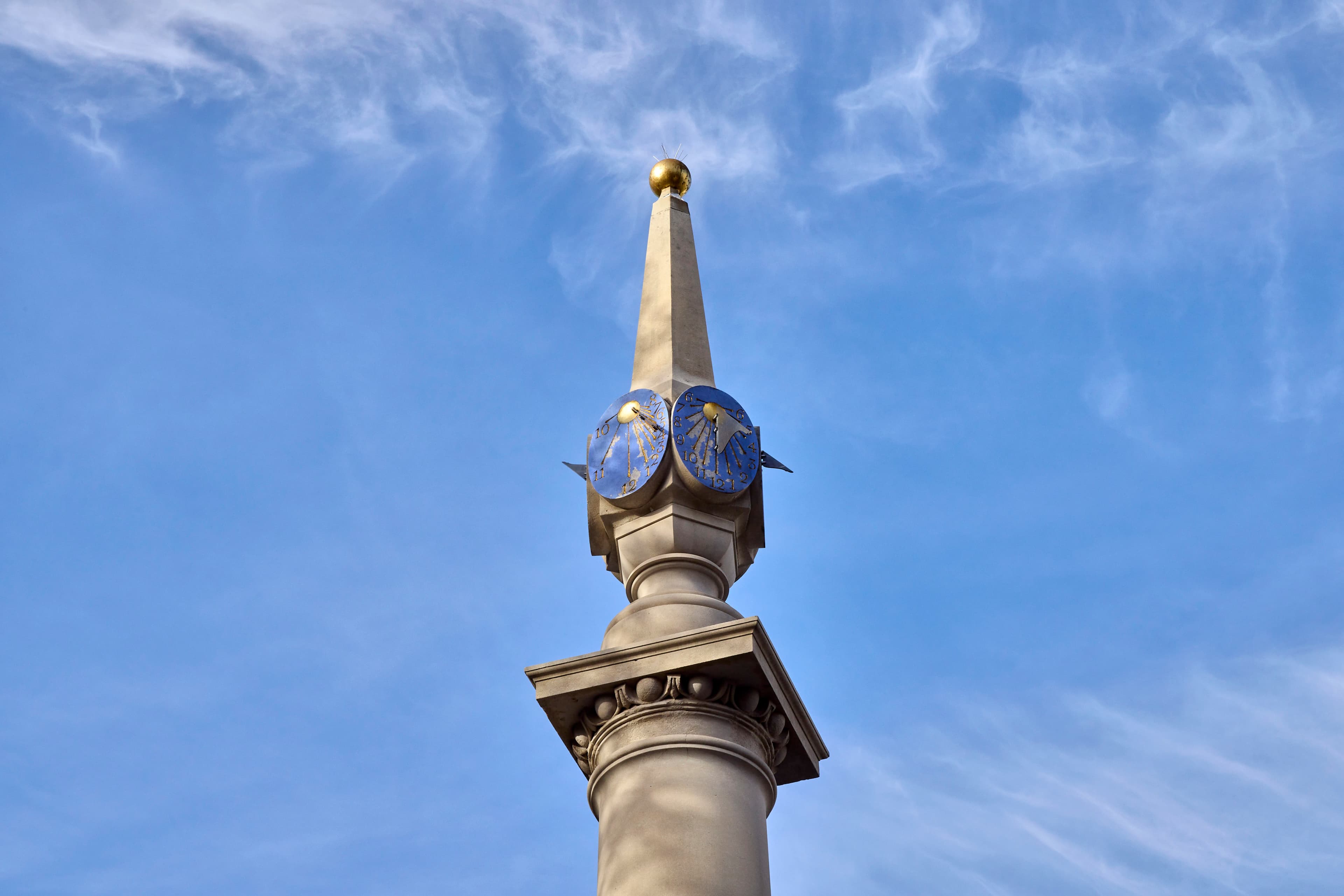
Immerse yourself in a world of flavours with the Seven Dials Market. Take a wander down Cucumber Alley and discover the Banana Warehouse to find independent experts in desserts, vegan bites, Asian grab and go plus the world's first cheese conveyor belt and plenty more.
What's on offer in Seven Dials Market
Housing nearly 20 pioneering food vendors, discover the best street food, freshest cocktails and a social space where all are welcome.
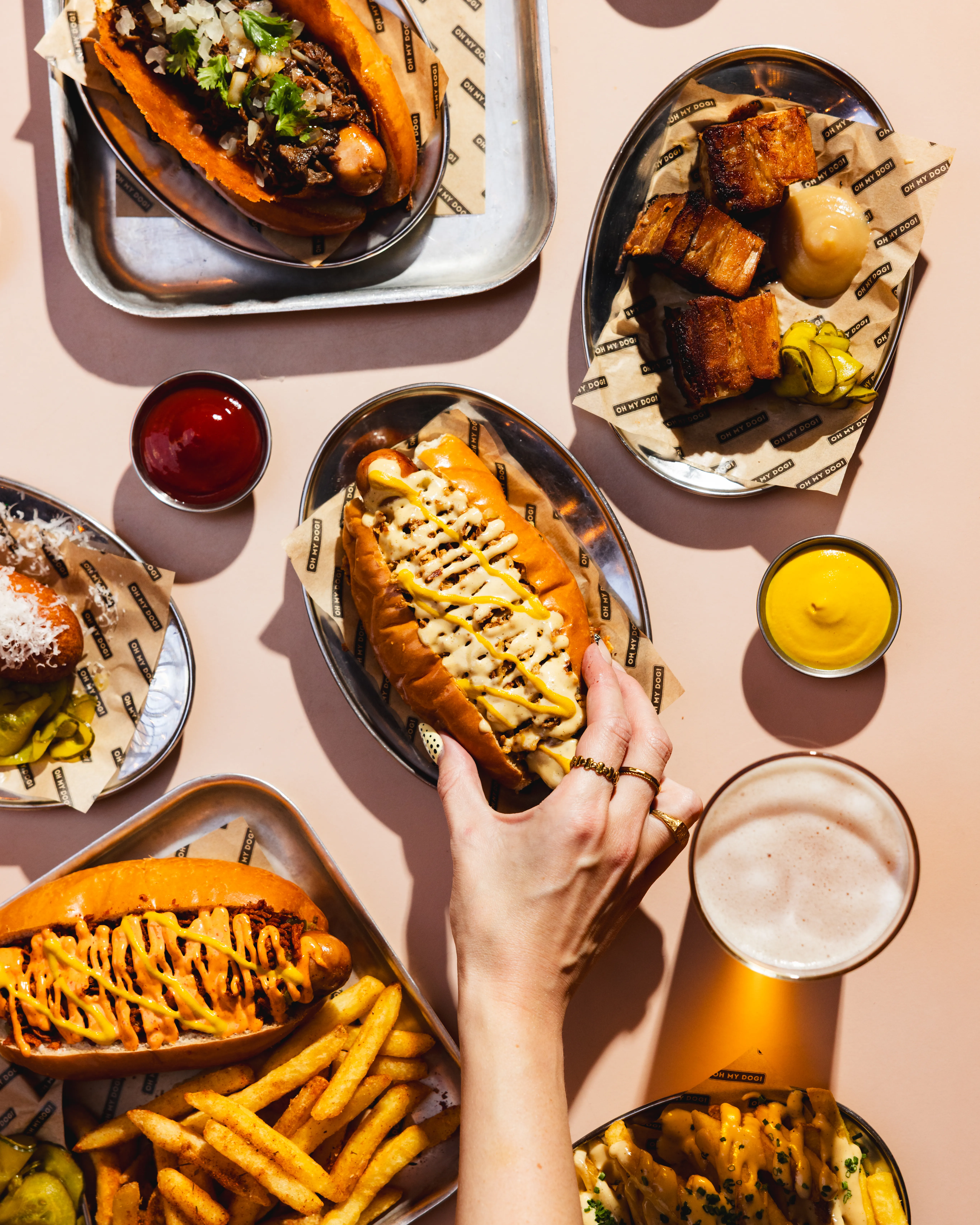
Oh My Dog!
Mexican food vendor serving house-made tortillas with a selection of fillings.

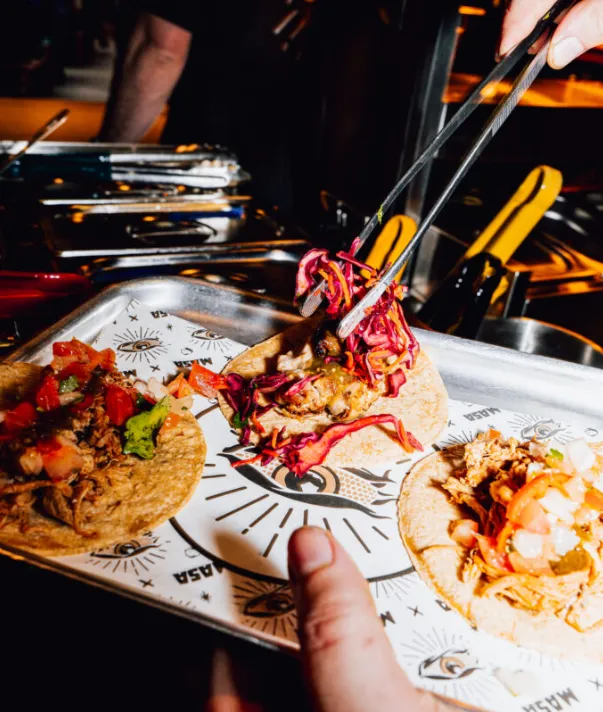
Masa Tacos
Mexican food vendor serving house-made tortillas with a selection of fillings in Seven Dials Market.
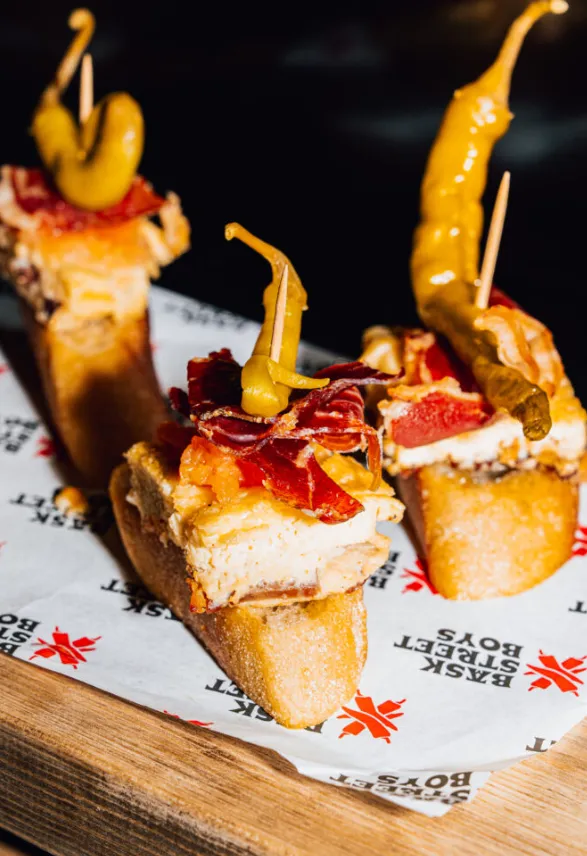
Bask Street Boys
Tortilla bar bringing bold Basque flavours to Seven Dials Market.
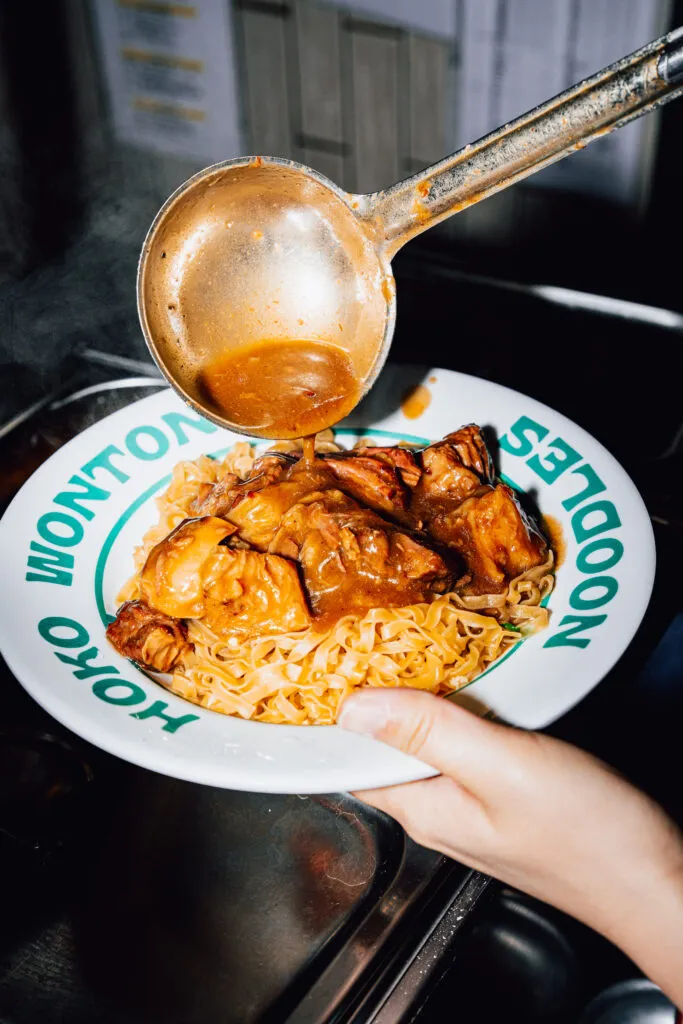
HOKO
Contemporary Hong Kong cafe serving up wonton noodle soups.
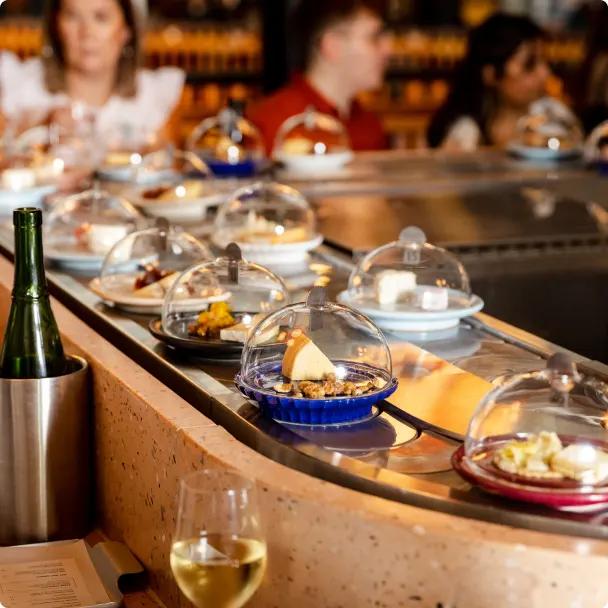
Pick & Cheese
World's first cheese conveyor belt restaurant in Seven Dials Market.
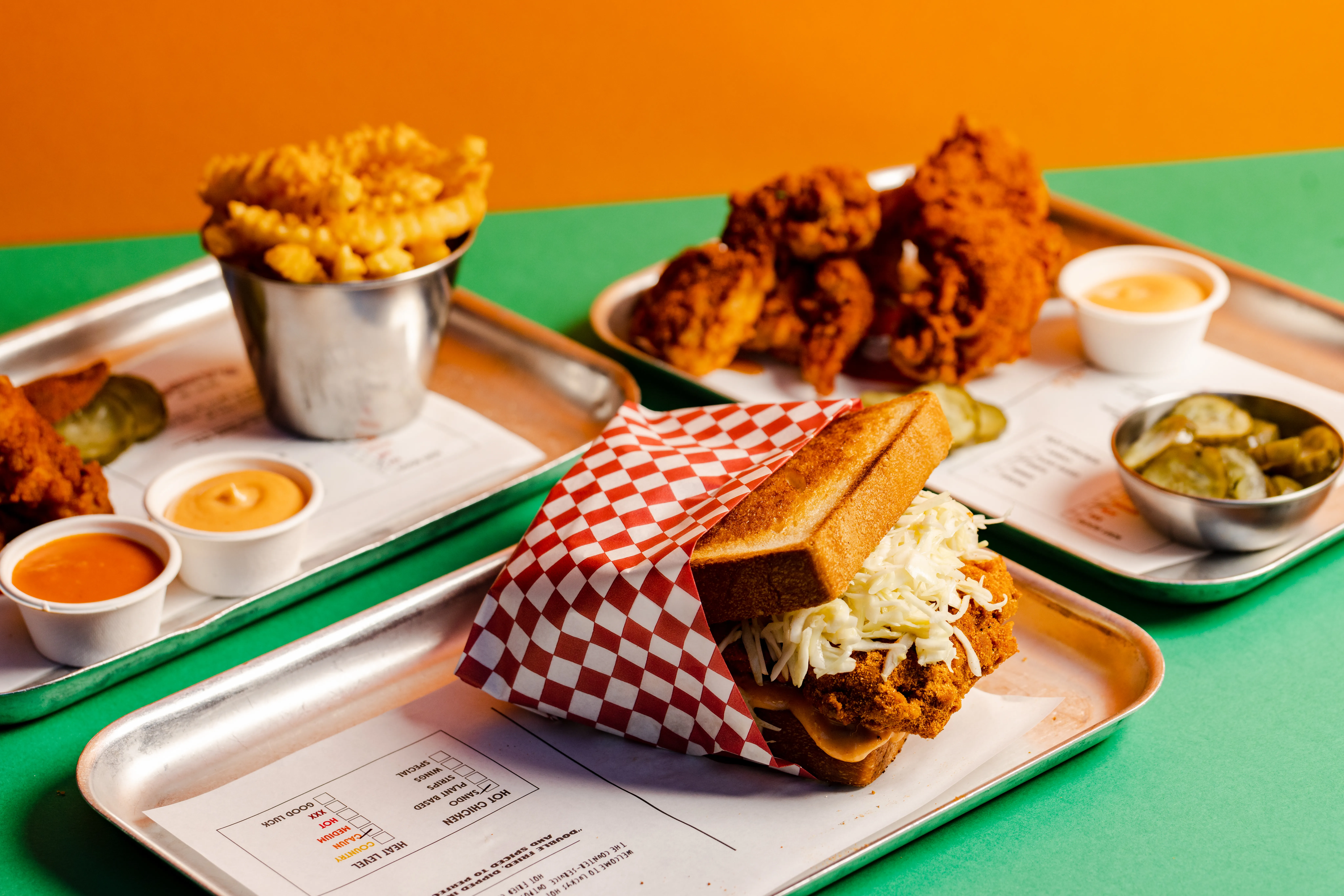
Lucky's Hot Chicken
Nashville-style fried chicken vendor serving spicy wings, strips and sandos.
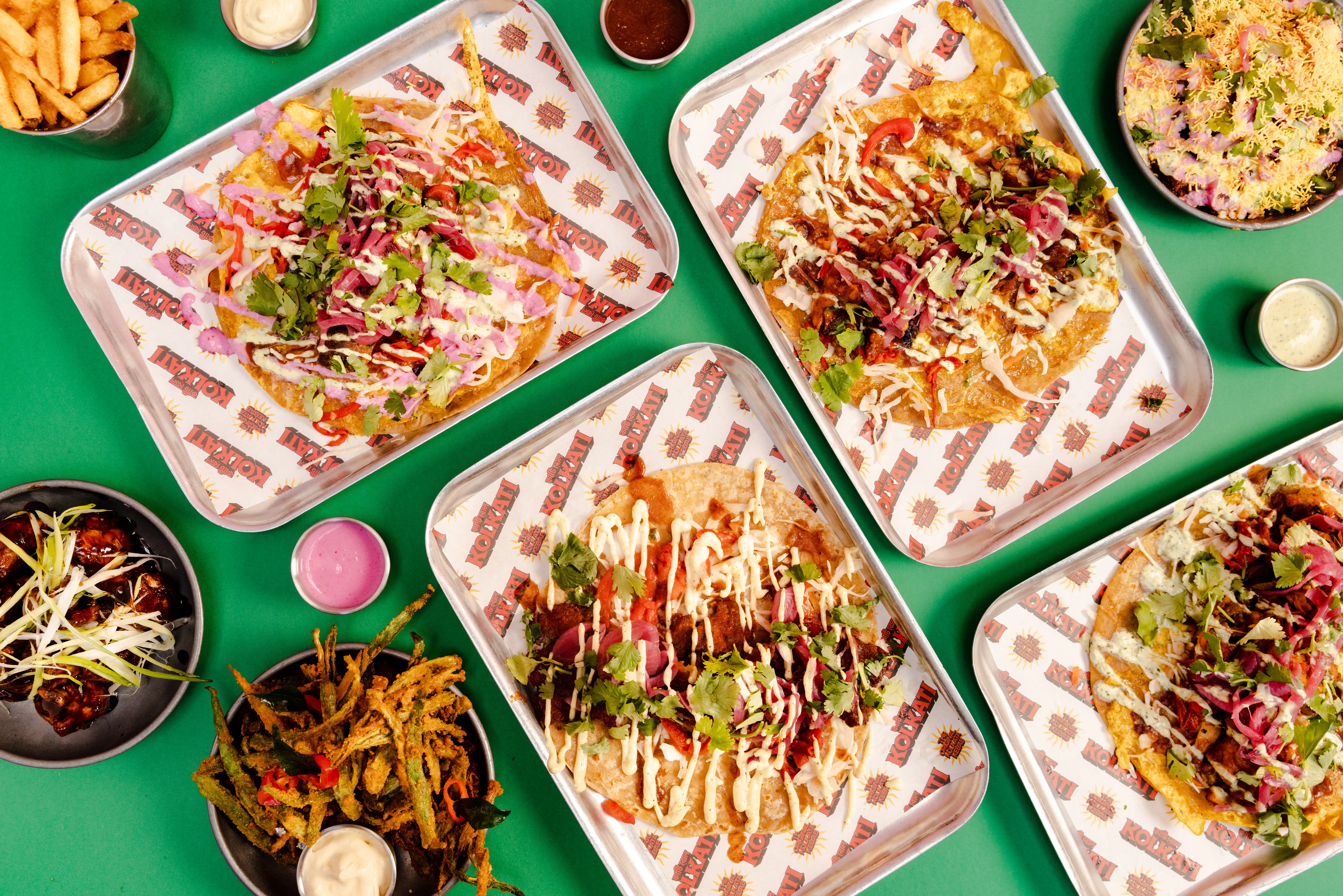
Kolkati
Street food vendor serving Kolkata-style kati rolls.
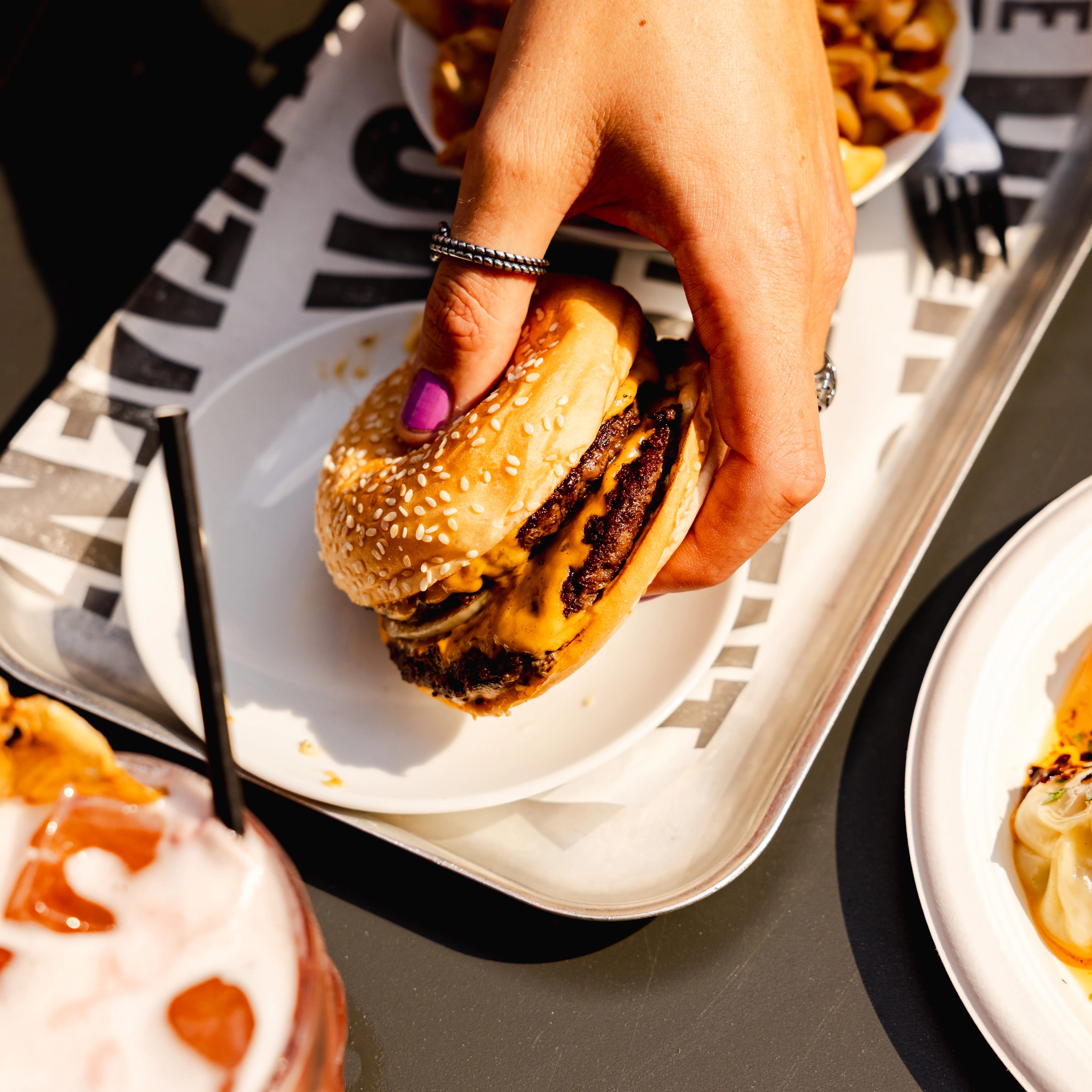
Bleecker
New York-style burger joint serving juicy patties and loaded fries.
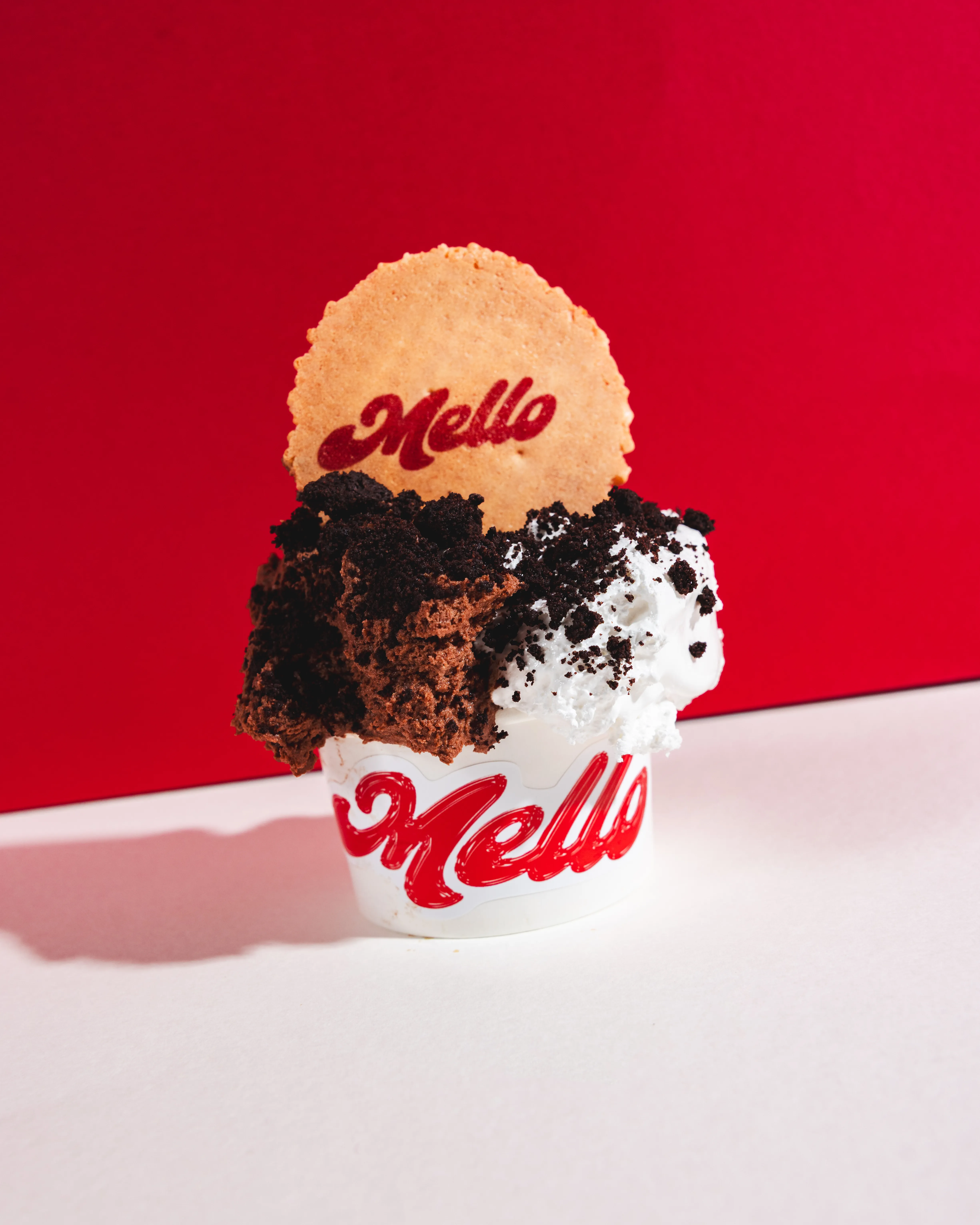
Mello Deluxe
Marshmallow dessert bar with marshmallow at the heart, swirled into drinks, baked into bombs, torched to order.
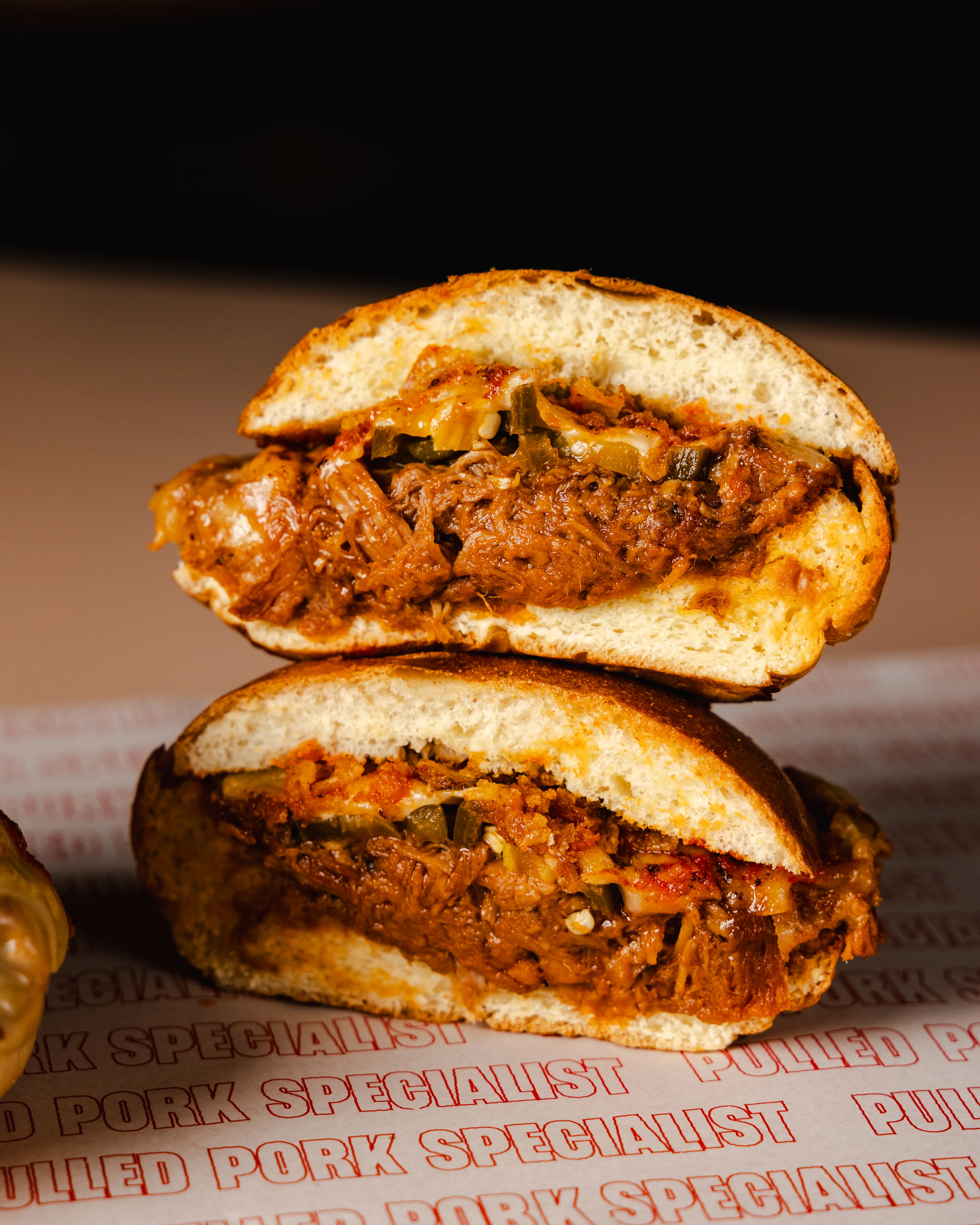
Dirty Bagels
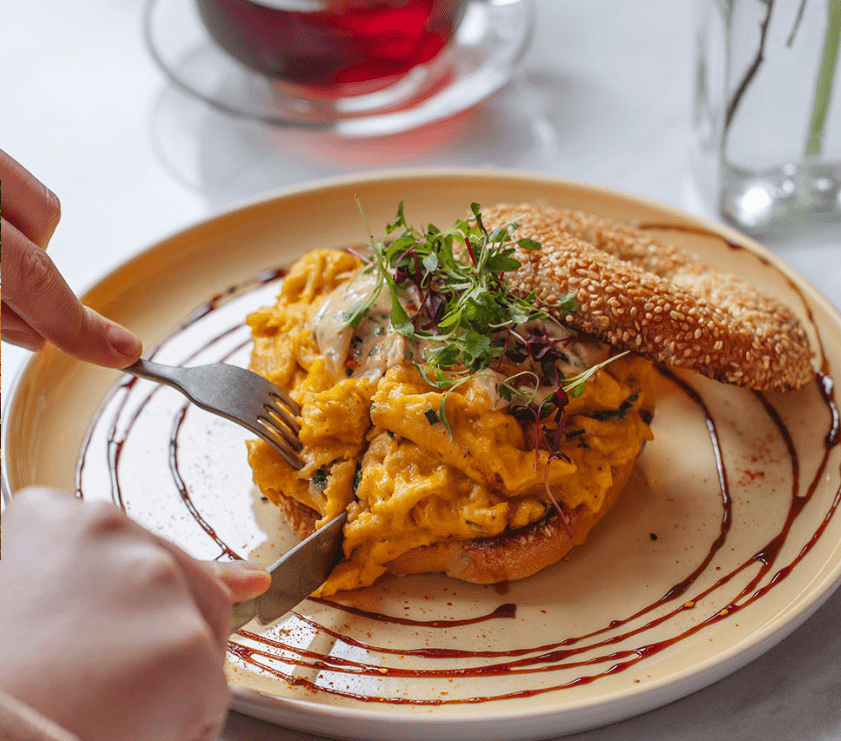
Street-style bagel vendor serving indulgent filled bagels with a New York twist in Seven Dials Market.
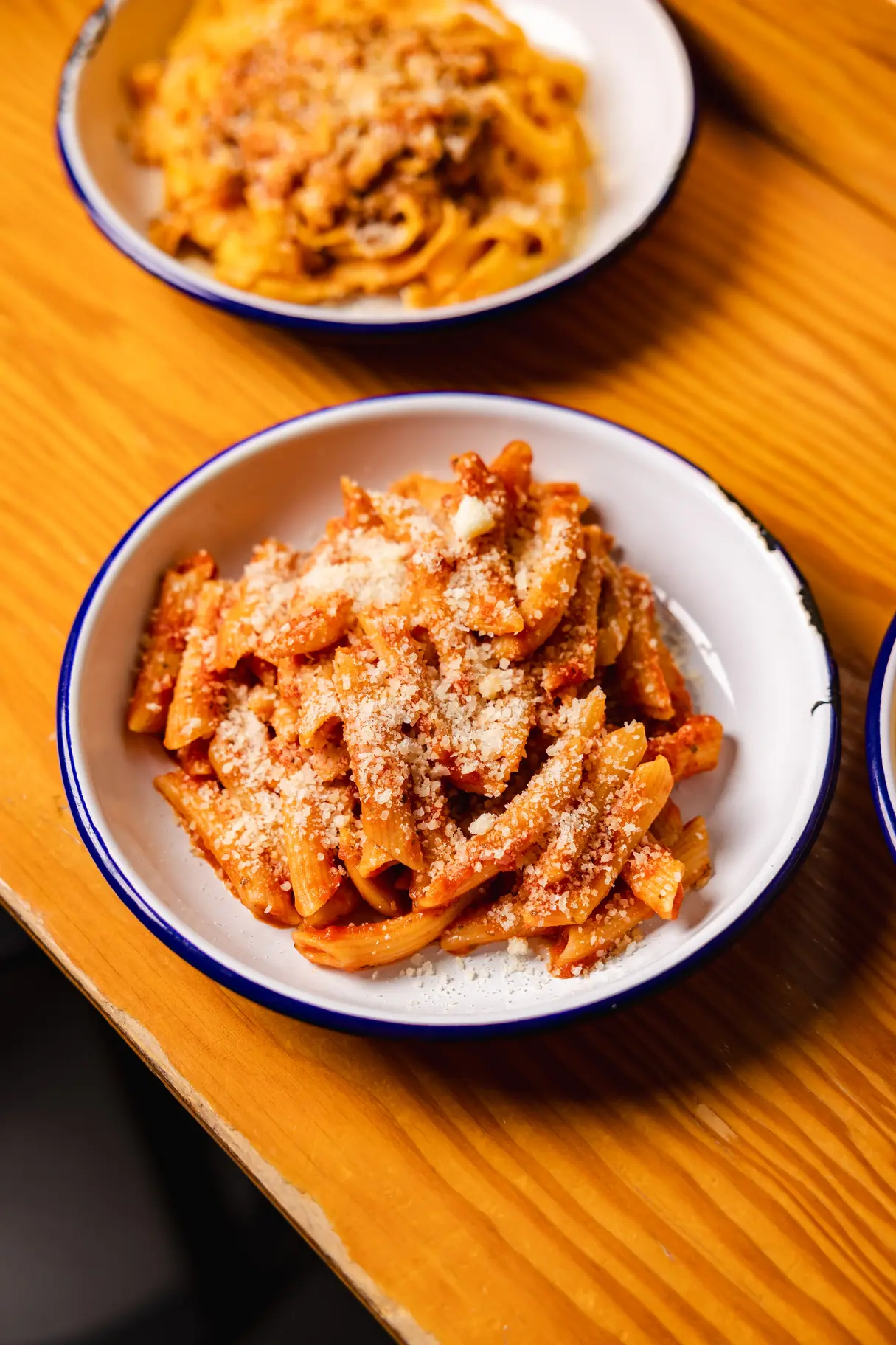
Mezzo Pasta
Fresh pasta vendor serving handmade Italian pasta dishes at Seven Dials Market.
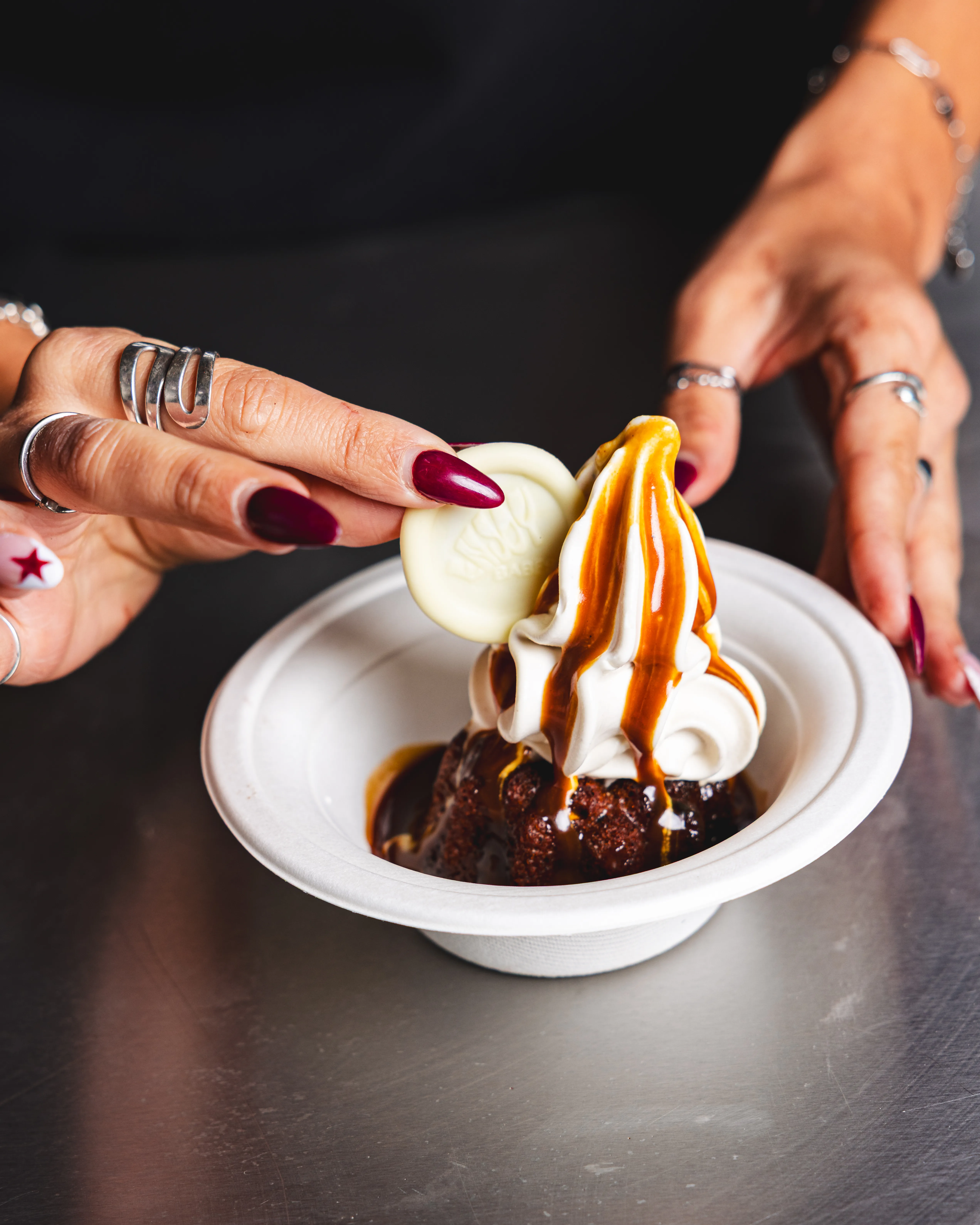
Chin Chin
Dessert bar in Seven Dials Market known for their nitrogen ice cream.
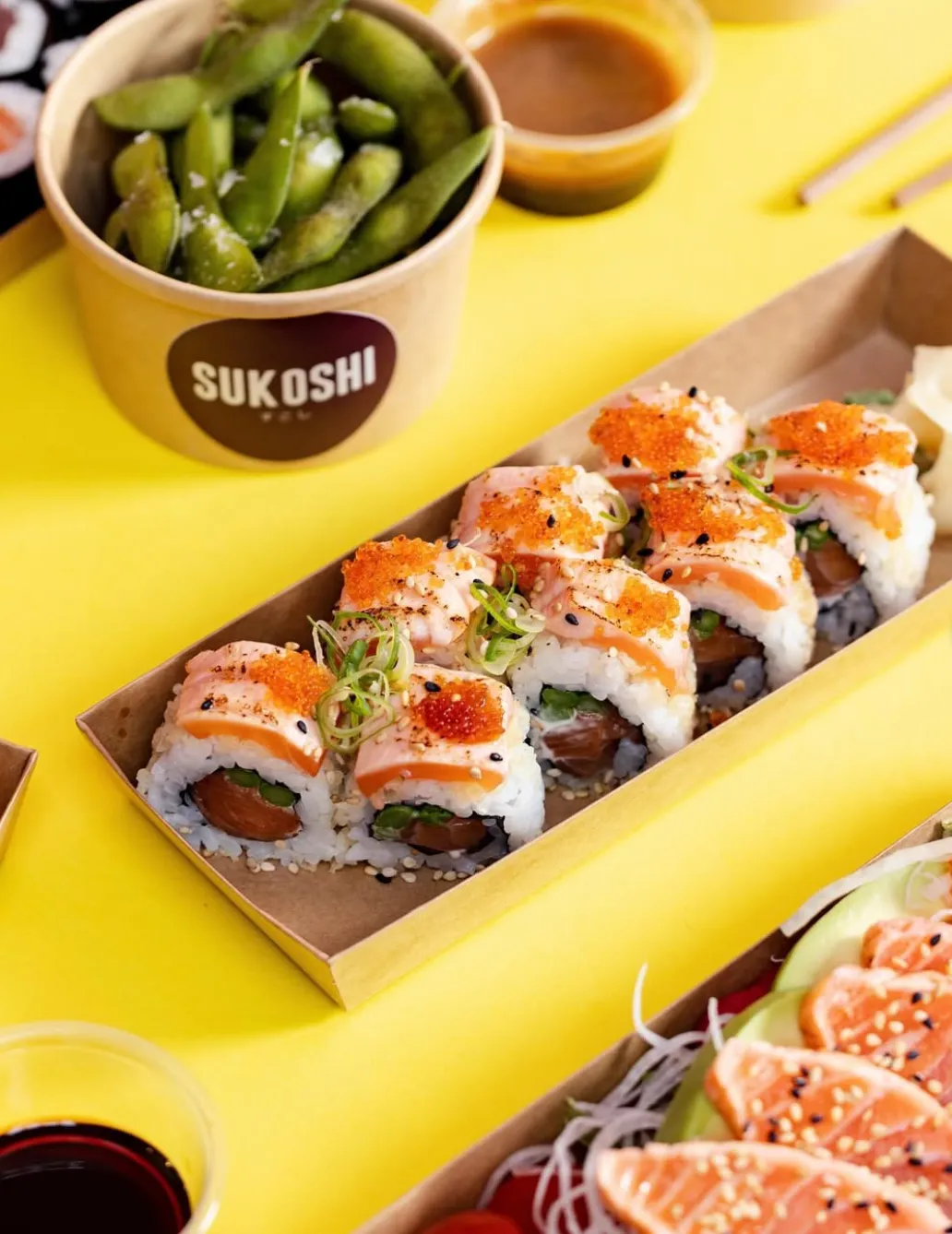
Sukoshi
Japanese street food vendor serving sushi and rice bowls in Seven Dials Market.
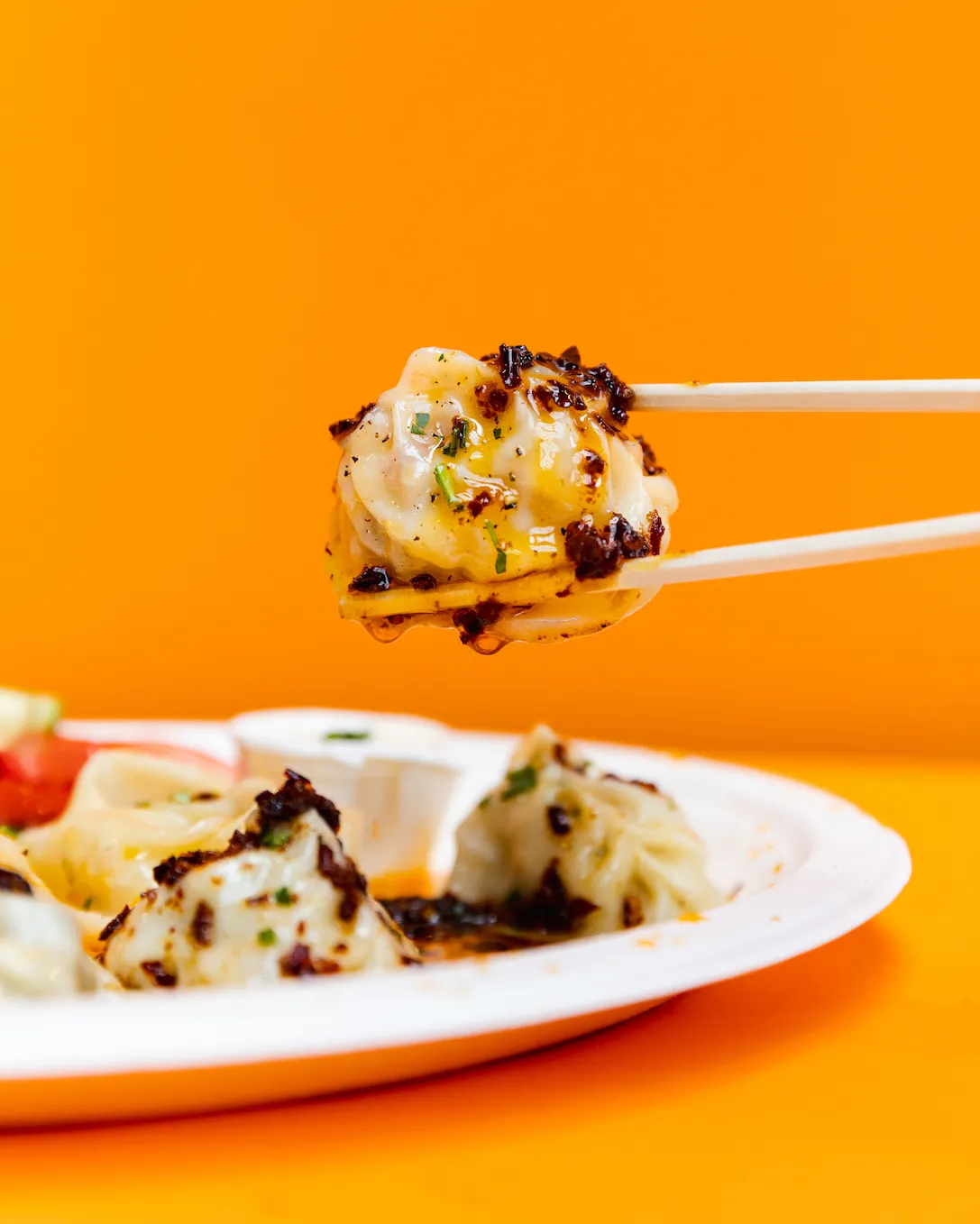
Oshpaz Dumplings
Uzbek street food serving handmade dumplings and rice bowls.
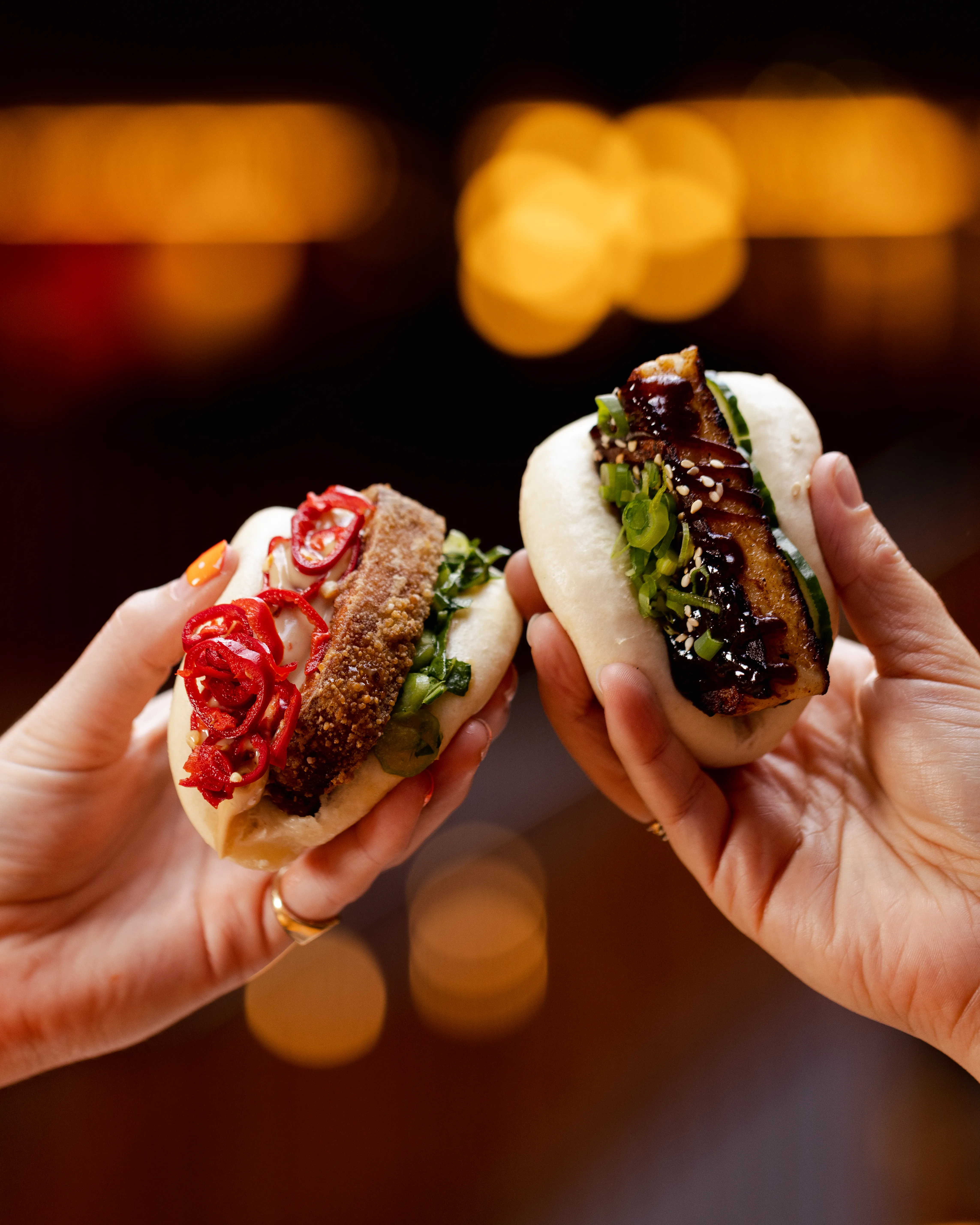
Yum Bun
London's original bao bar serving Japanese-inspired steamed buns.
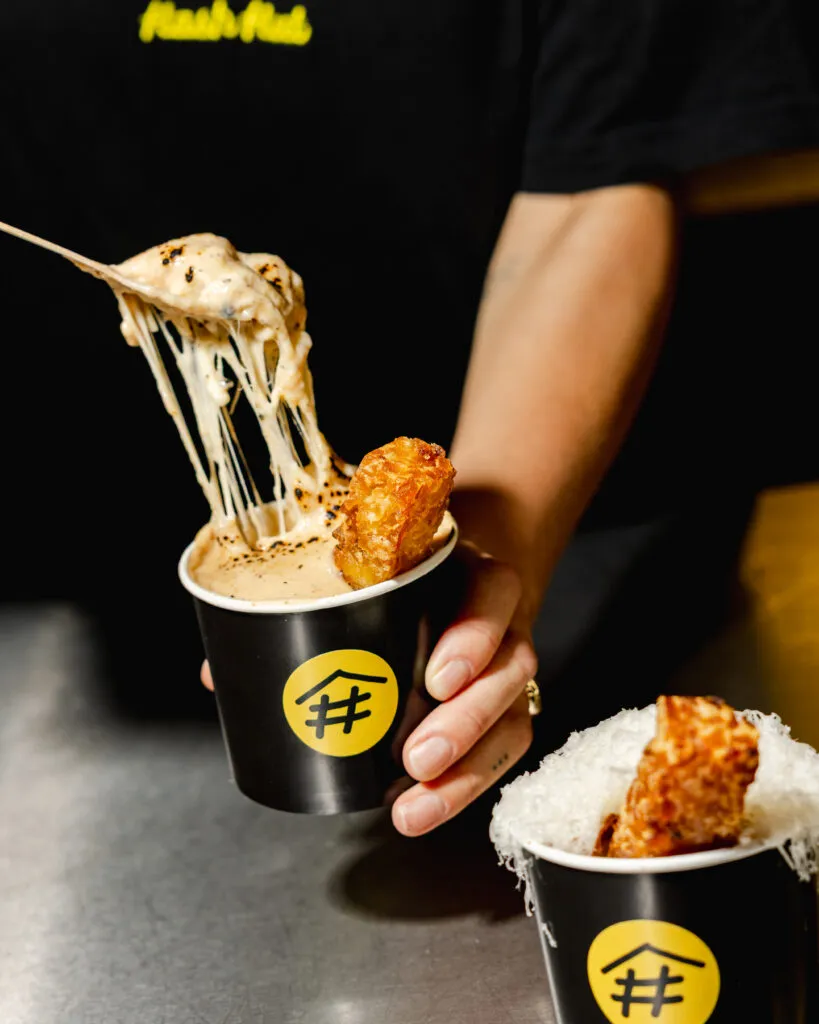
Mac Hut
Mac 'n' Cheese vendor at Seven Dials Market. Select your mac of choice and load up with your choice of toppings.
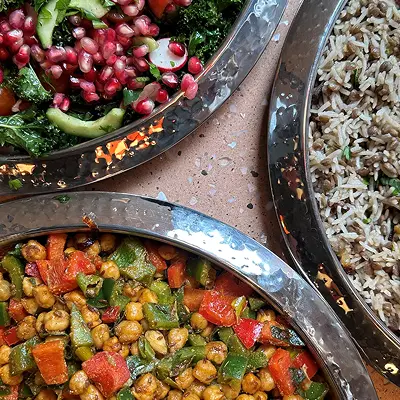
Arnabeet
Middle-Eastern eatery serving vegetarian dishes in Seven Dials Market.
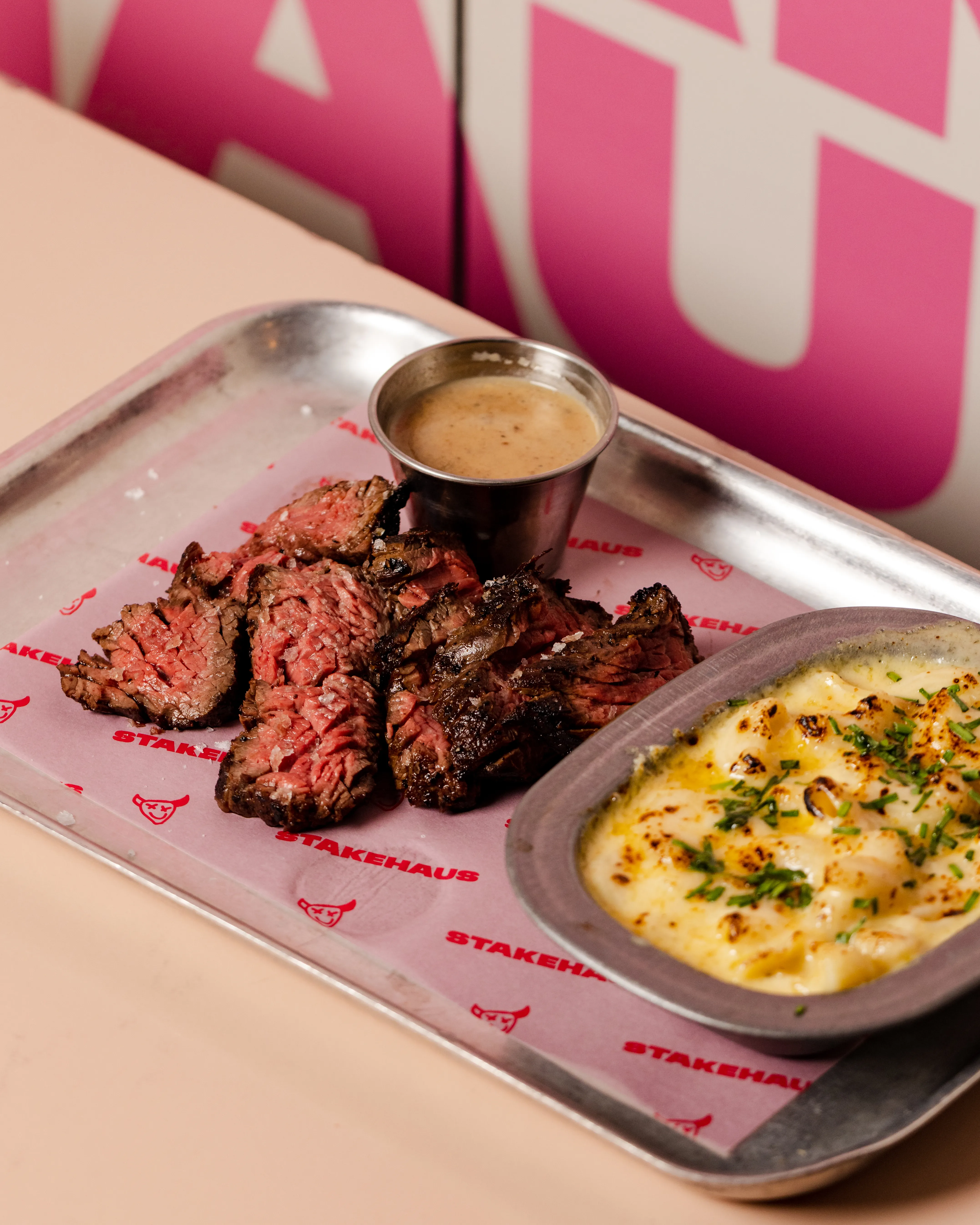
Stakehaus
Steak and chips vendor at Seven Dials Market serving grass-fed beef and vibrant sauces.
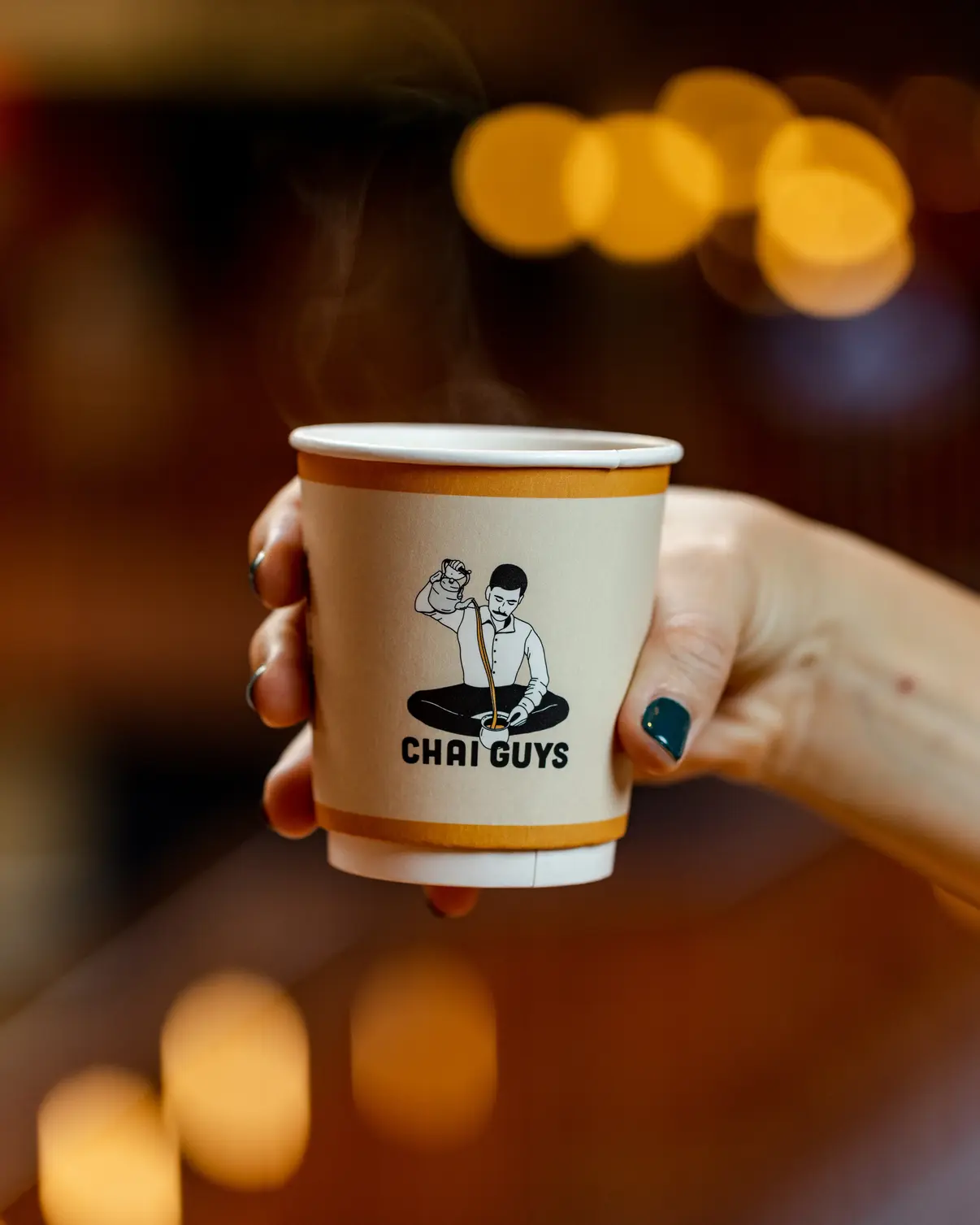
Chai Guys
Artisan chai shop serving authentic Indian tea blends at Seven Dials Market.
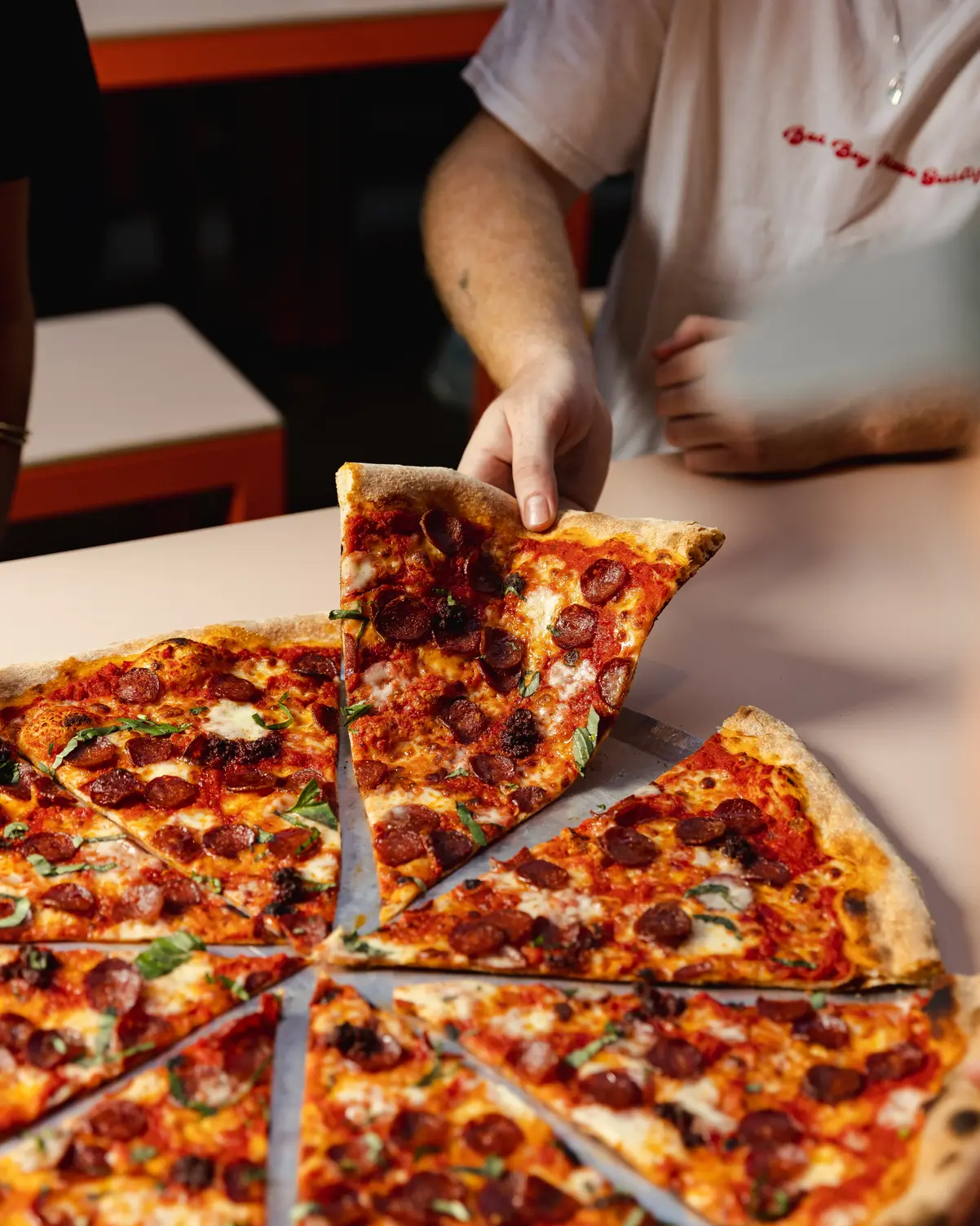
Bad Boy Pizza Society
London pizzeria serving bold, New York-style slices in Seven Dials Market.
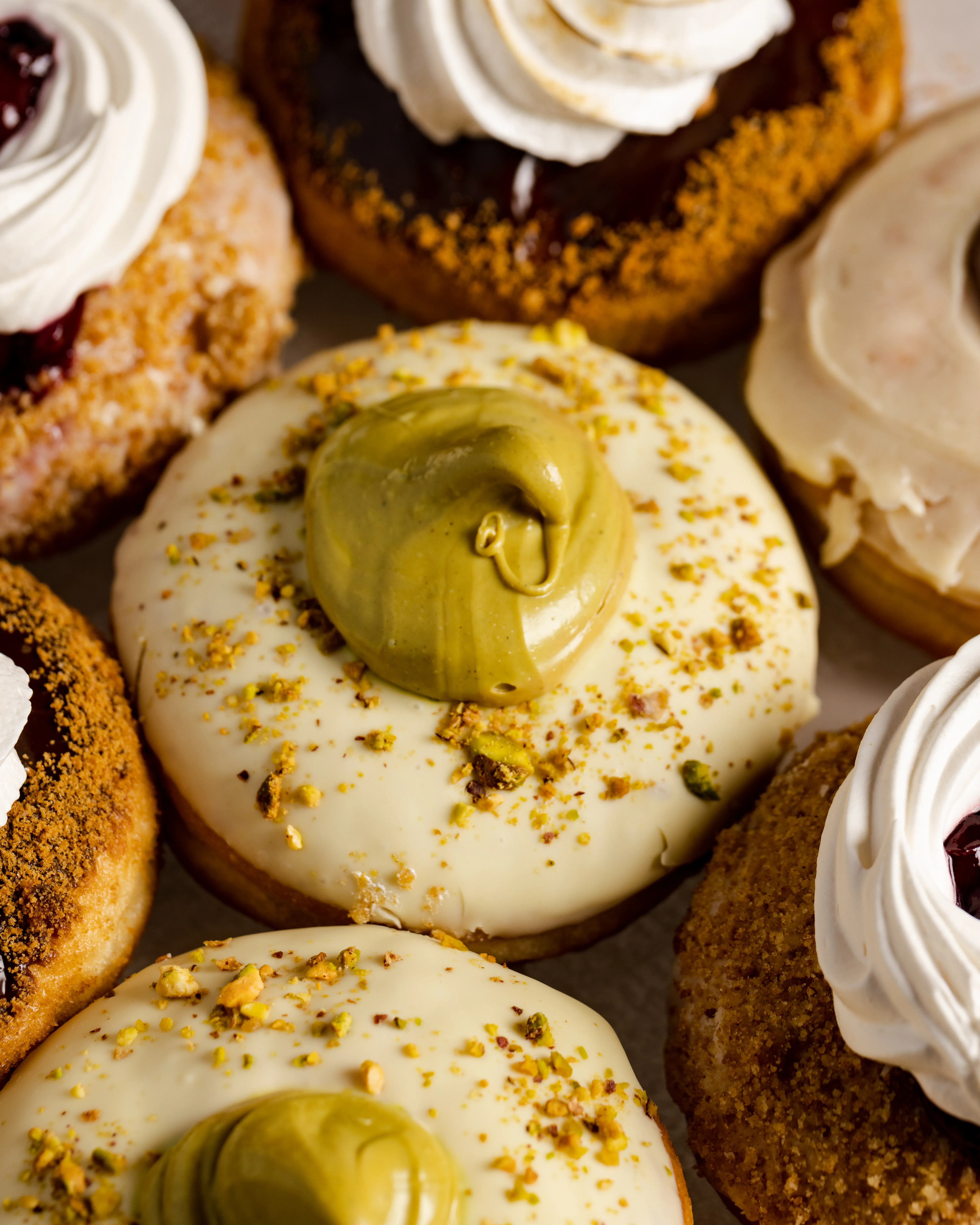
Little Pudding
Dessert vendor offering doughnuts, brownies and nostalgic British-American sweets.
The Elemis Flagship Store
Discover the best of skincare and luxury treatment at the Elemis Flagship store on Monmouth Street. Experience the power of their world-renowned high-tech, high-touch facials with a treatment that’s completely customised to what your skin needs today. Starting with their signature treatment base, you can then create your own bespoke facial with our range of targeted skin booster add-ons. Guided by a Skin Specialist, you’ll build a treatment that’s as unique as your skin.
Book in-store treatments here, from skin boosters like LED Light Therapy and Microcurrent Facial Sculpts to Pro-Collagen CryoGlobes treatment and more.

Fragrance and Makeup
Seven Dials is a prime beauty destination, home to the best of skincare, fragrance and wellness brands.

Benefit
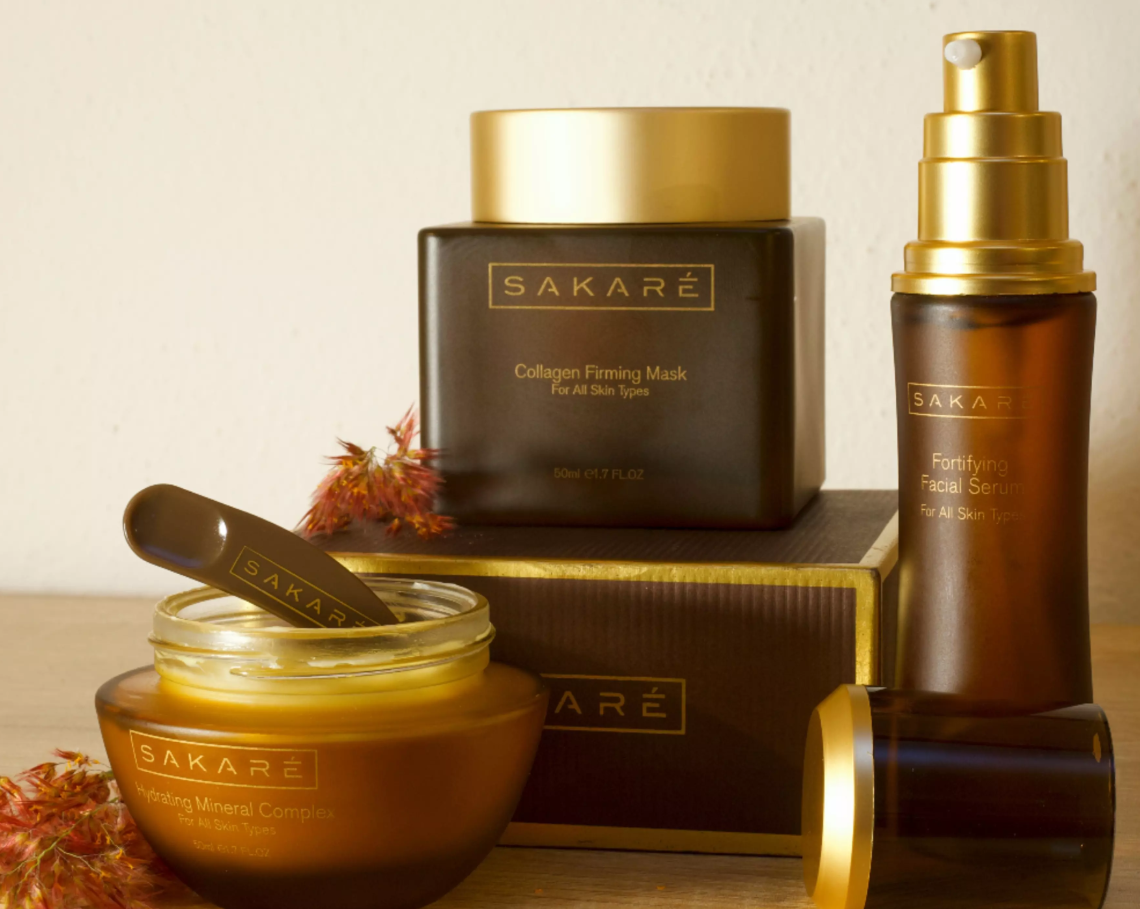
SAKARÉ
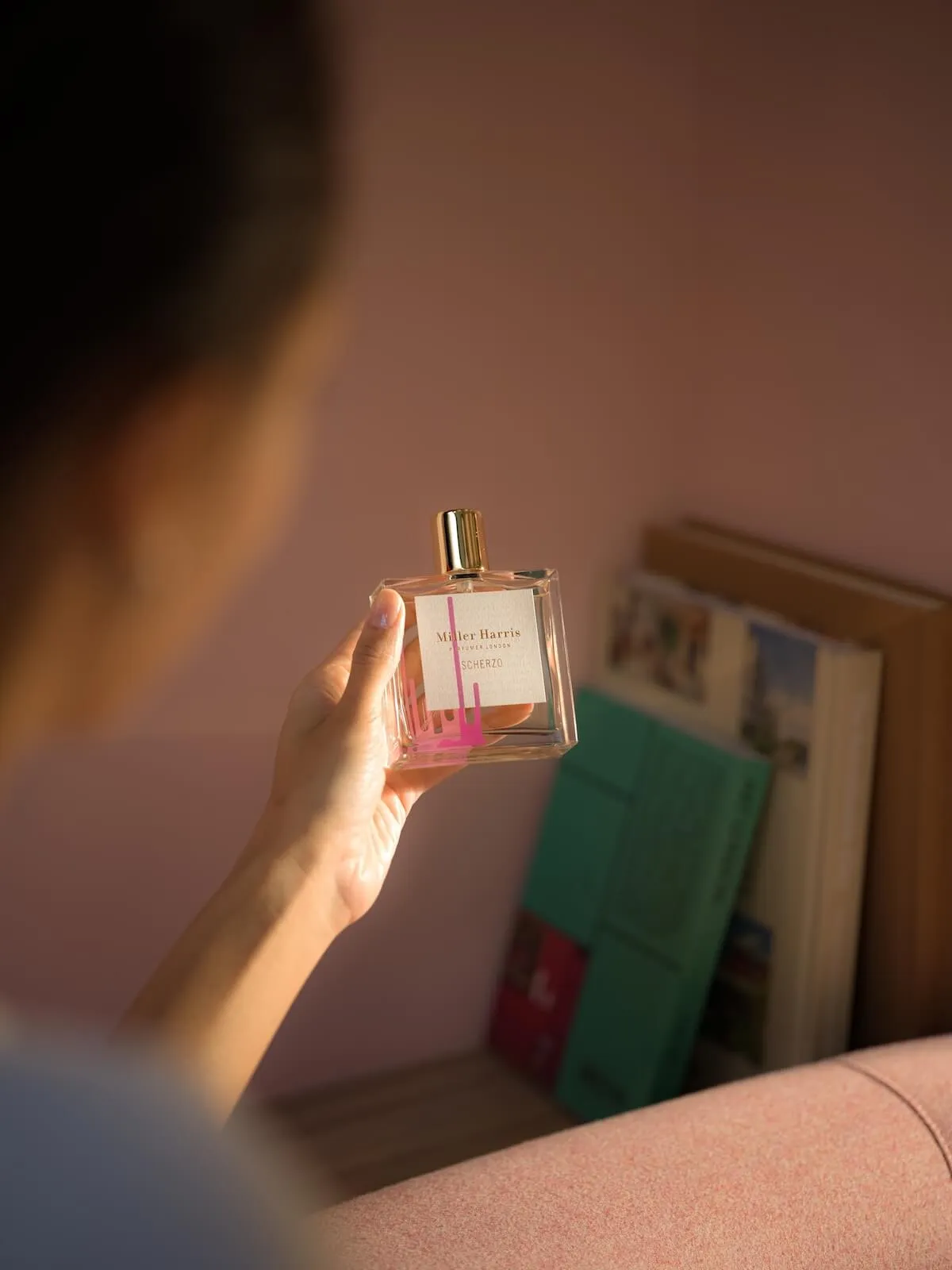
Miller Harris
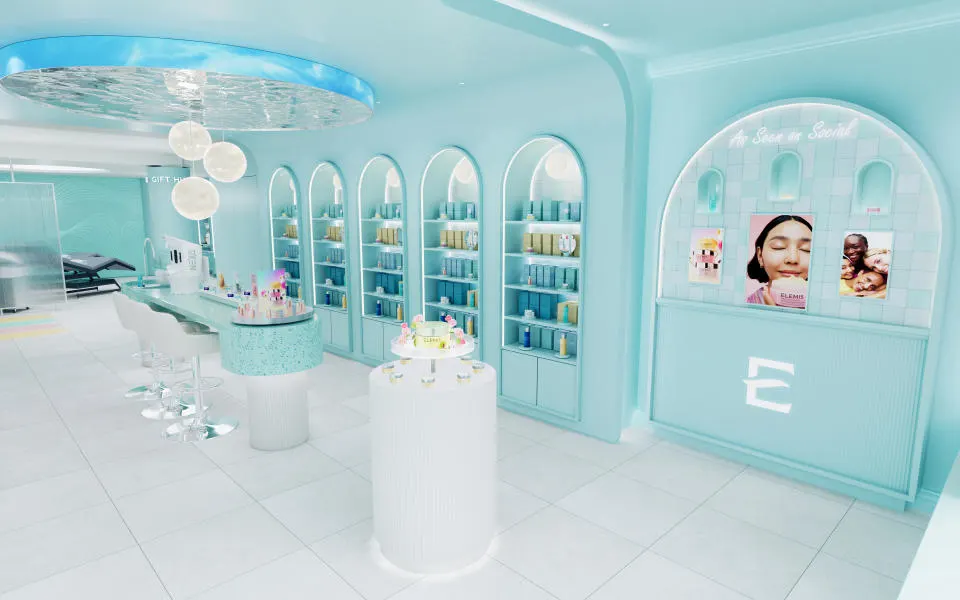
ELEMIS
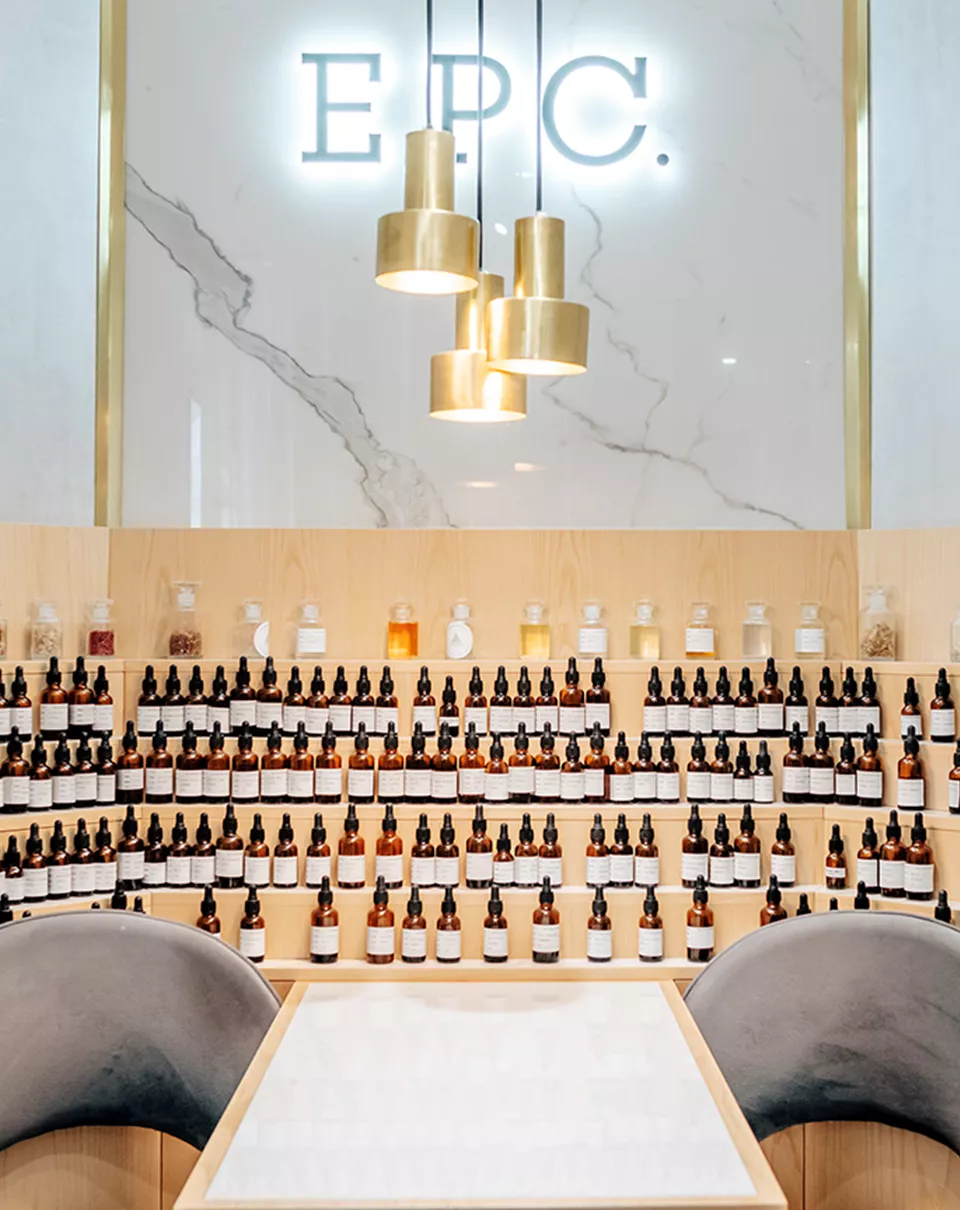
EPC.
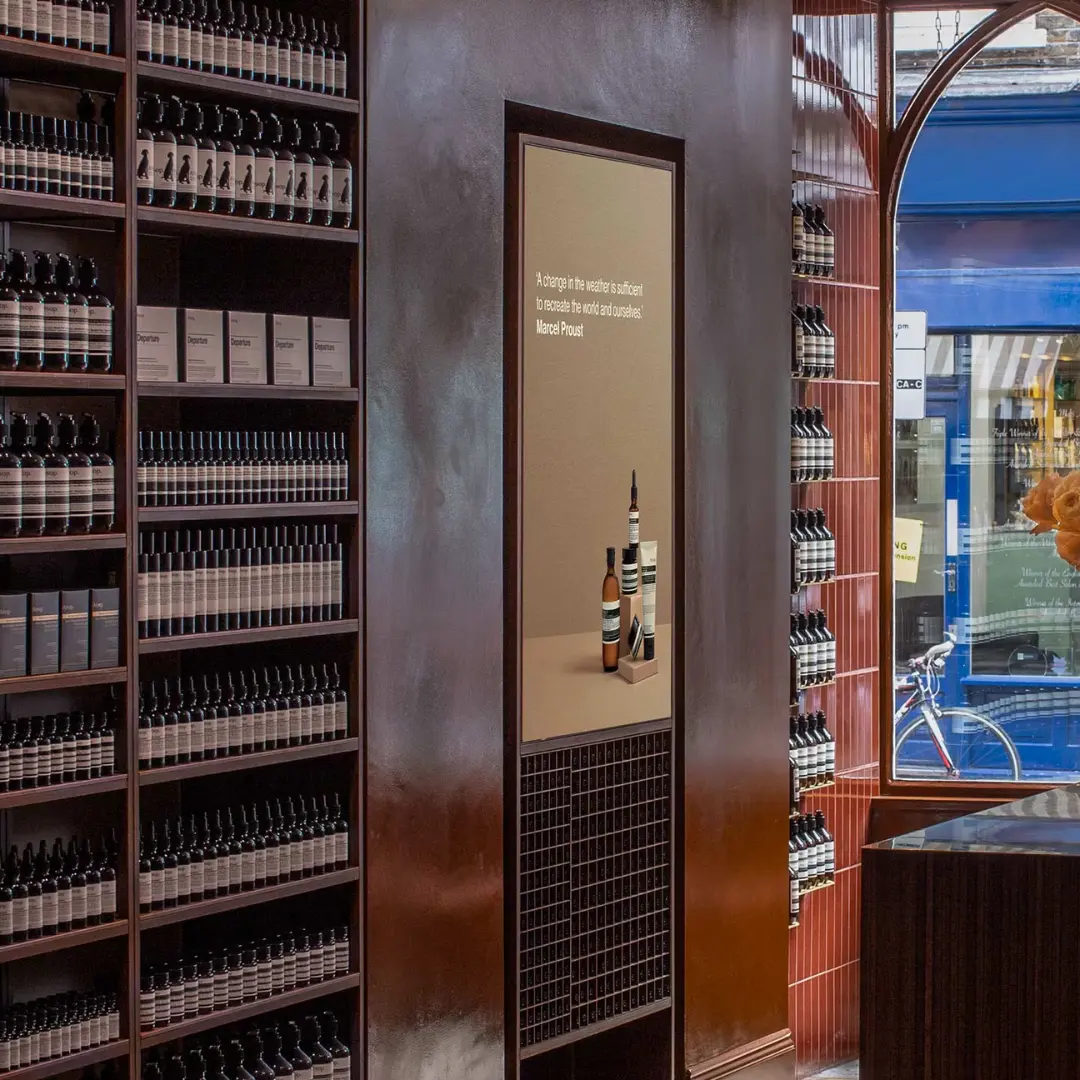
Aesop
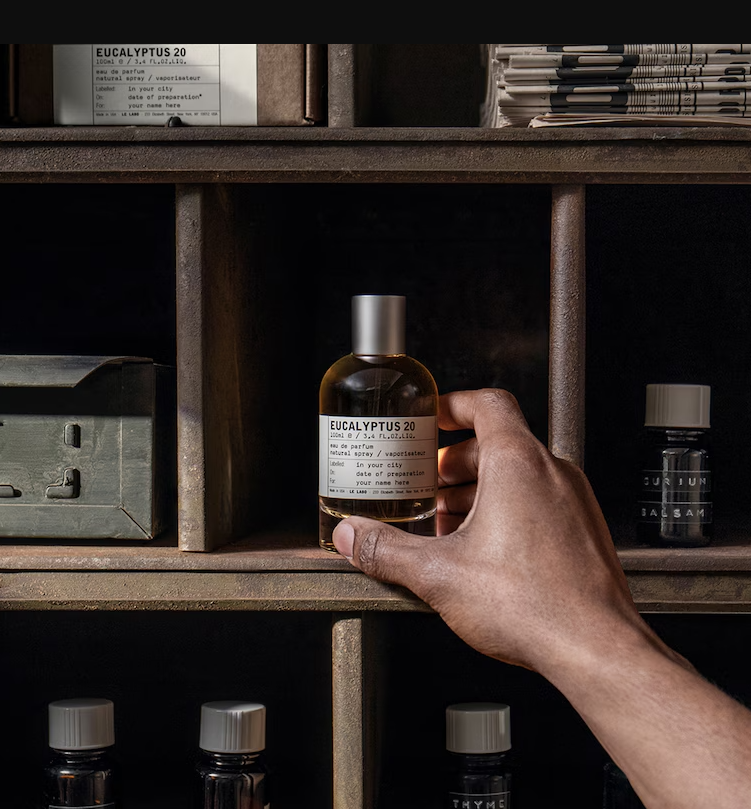
Le Labo

DECIEM
The Home of Streetwear
As well as being a beauty haven, Seven Dials has become a hotspot for streetwear lovers, blending heritage London charm with cutting-edge fashion. Monmouth Street's Carhartt WIP brings their classic workwear-meets- urban streetwear aesthetic to the area, while Route One caters to skate culture. Accessories brand Topologie offers form and function with their climbing gear inspired bags, while Axel Arigato offers a touch of luxury with their minimalist sneakers and apparel.
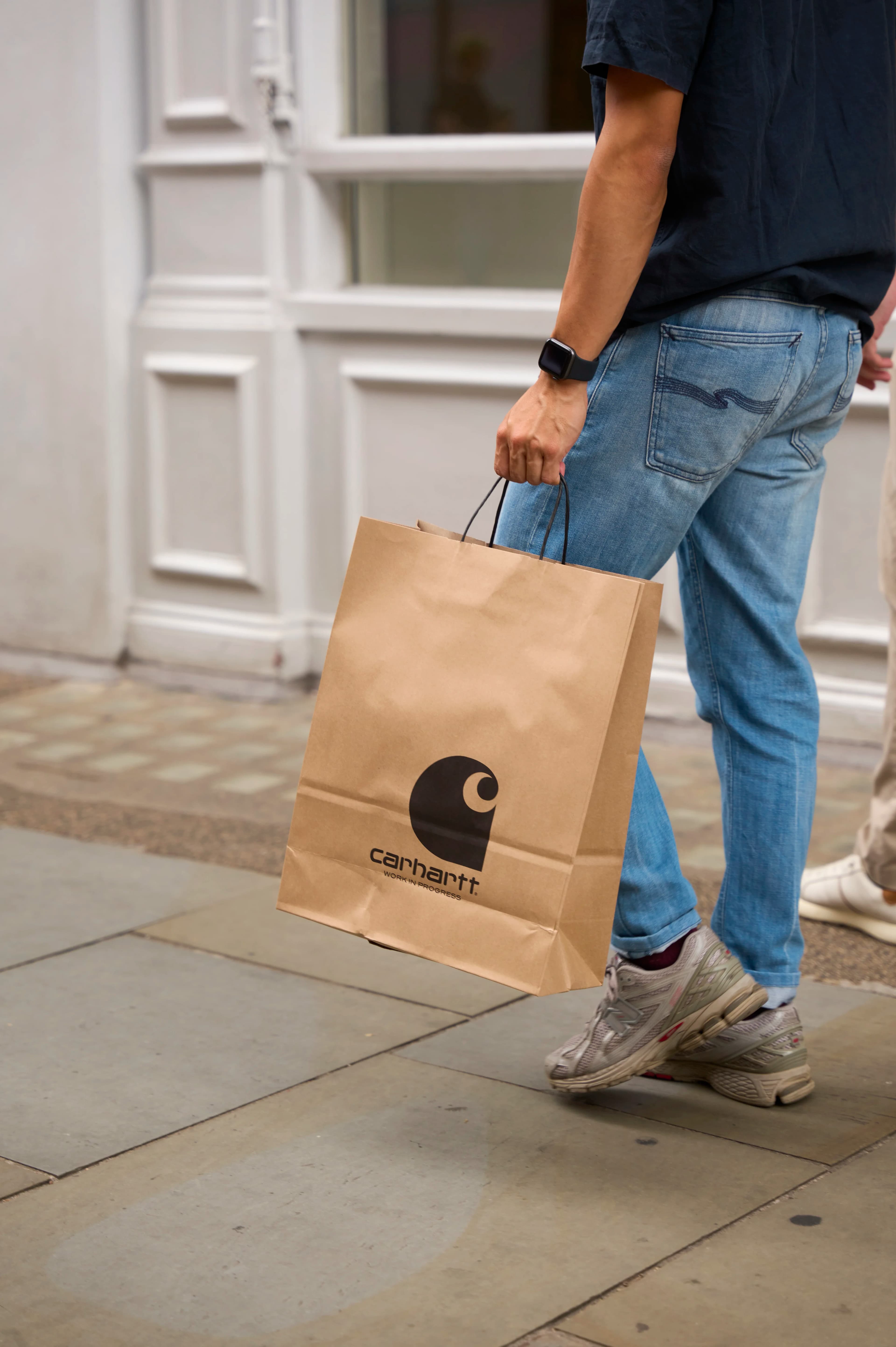
Explore Fashion & Accessories in Seven Dials
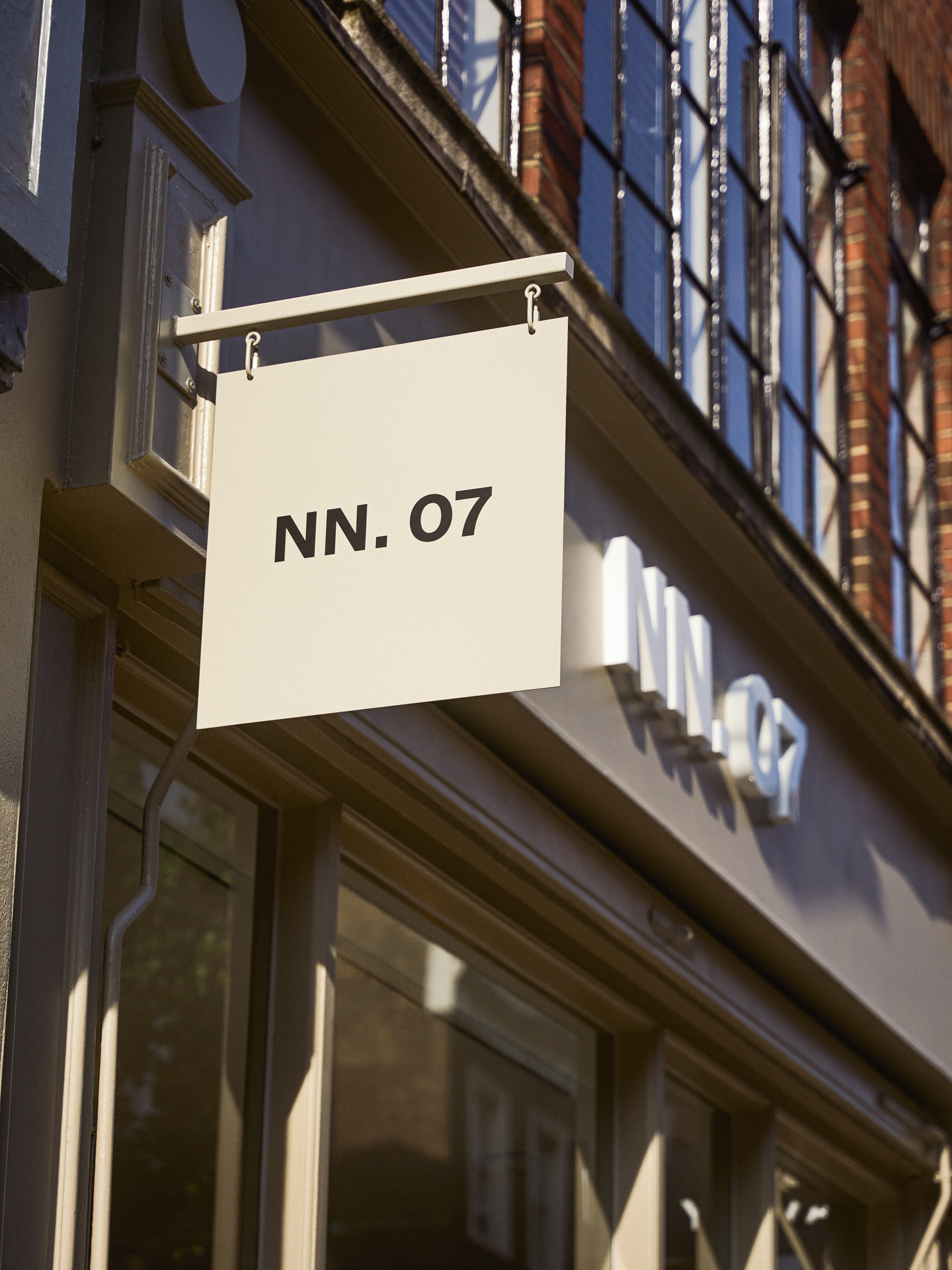
NN.07
Menswear brand offering timeless wardrobe staples with a focus on good quality and fit.
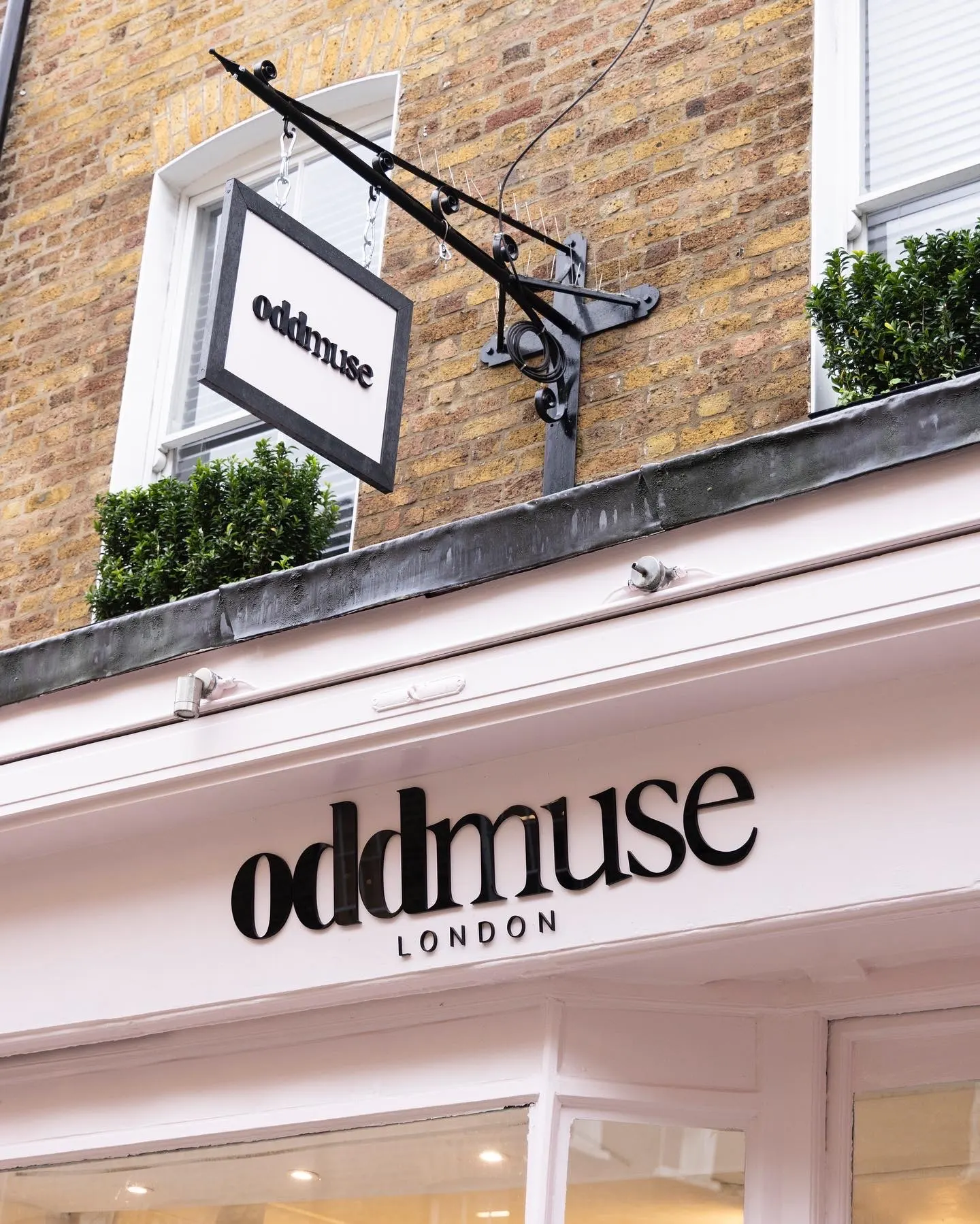
Odd Muse
London-based womenswear brand offering timeless, structured womenswear with a minimalist aesthetic.

Fred Perry
Fashion brand showcasing the iconic Laurel Wreath collection with a take on British subculture style.
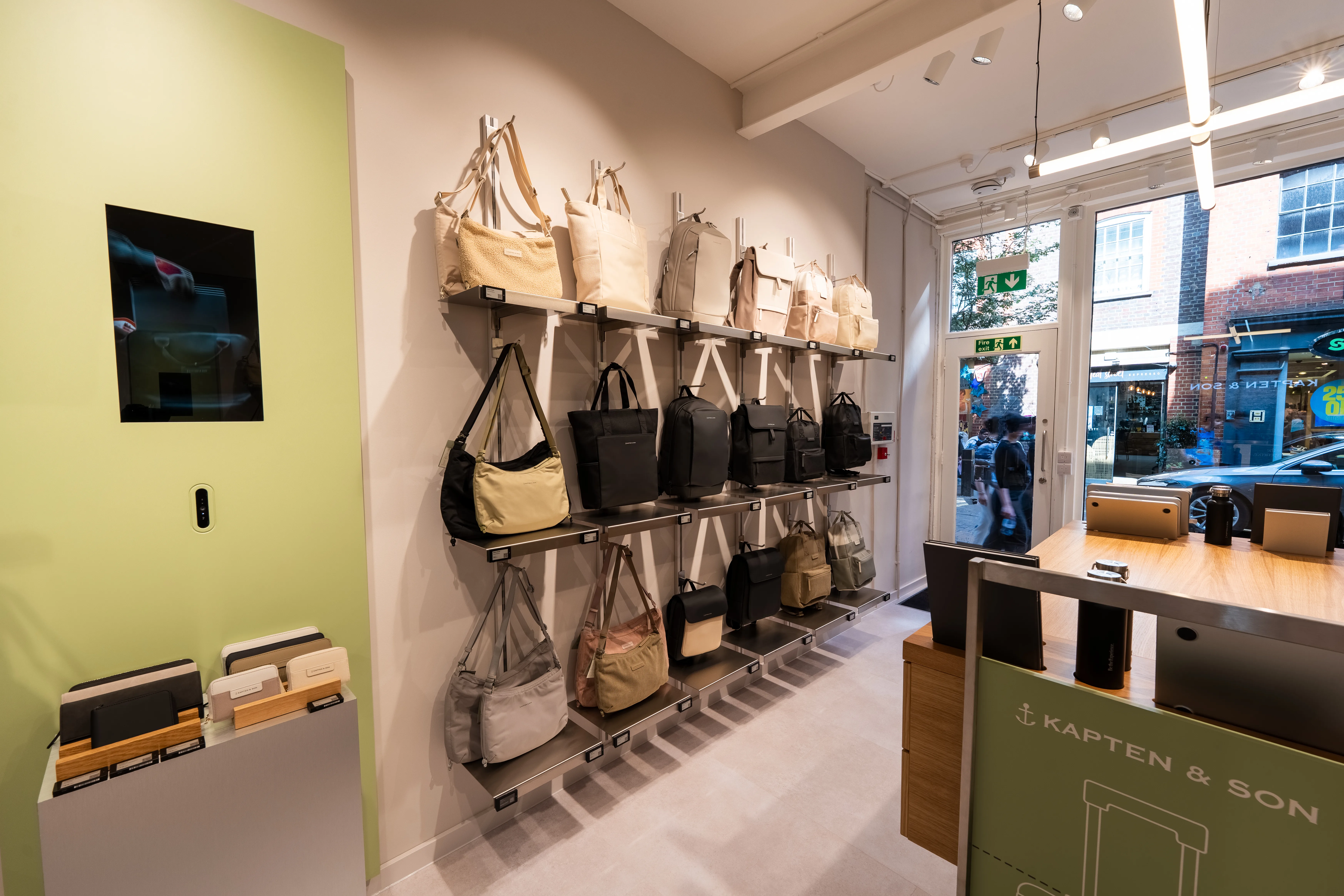
Kapten & Son
Accessories brand offering minimalist backpacks designed to combine aesthetic with practicality.
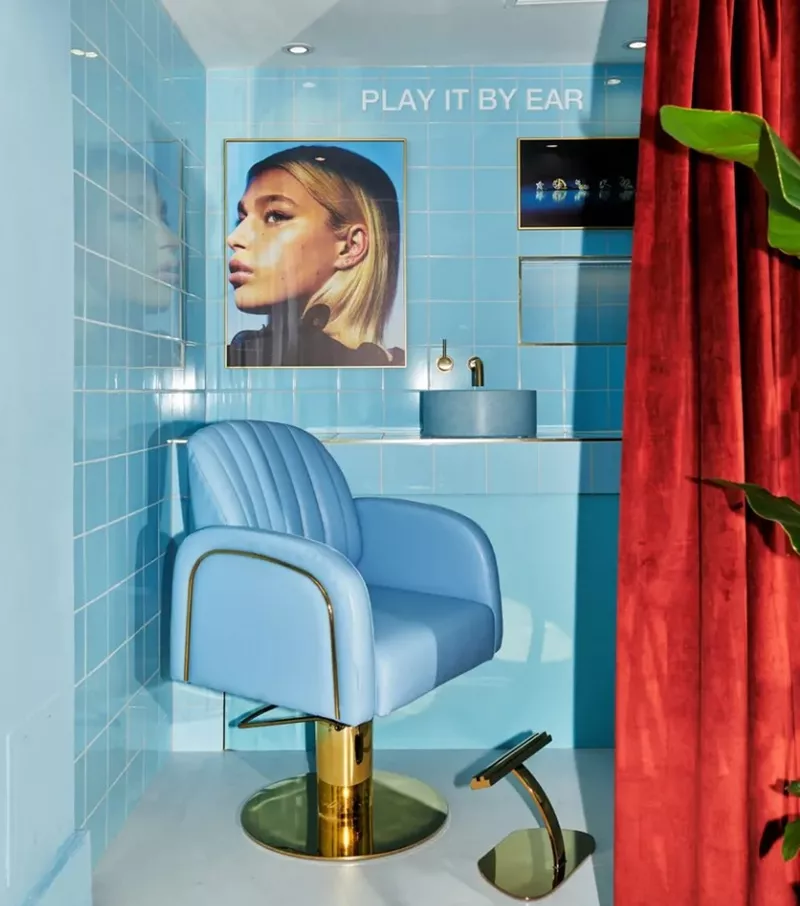
Missoma
Jewellery brand known for their demi-fine pieces, ideal for layering and personalisation.
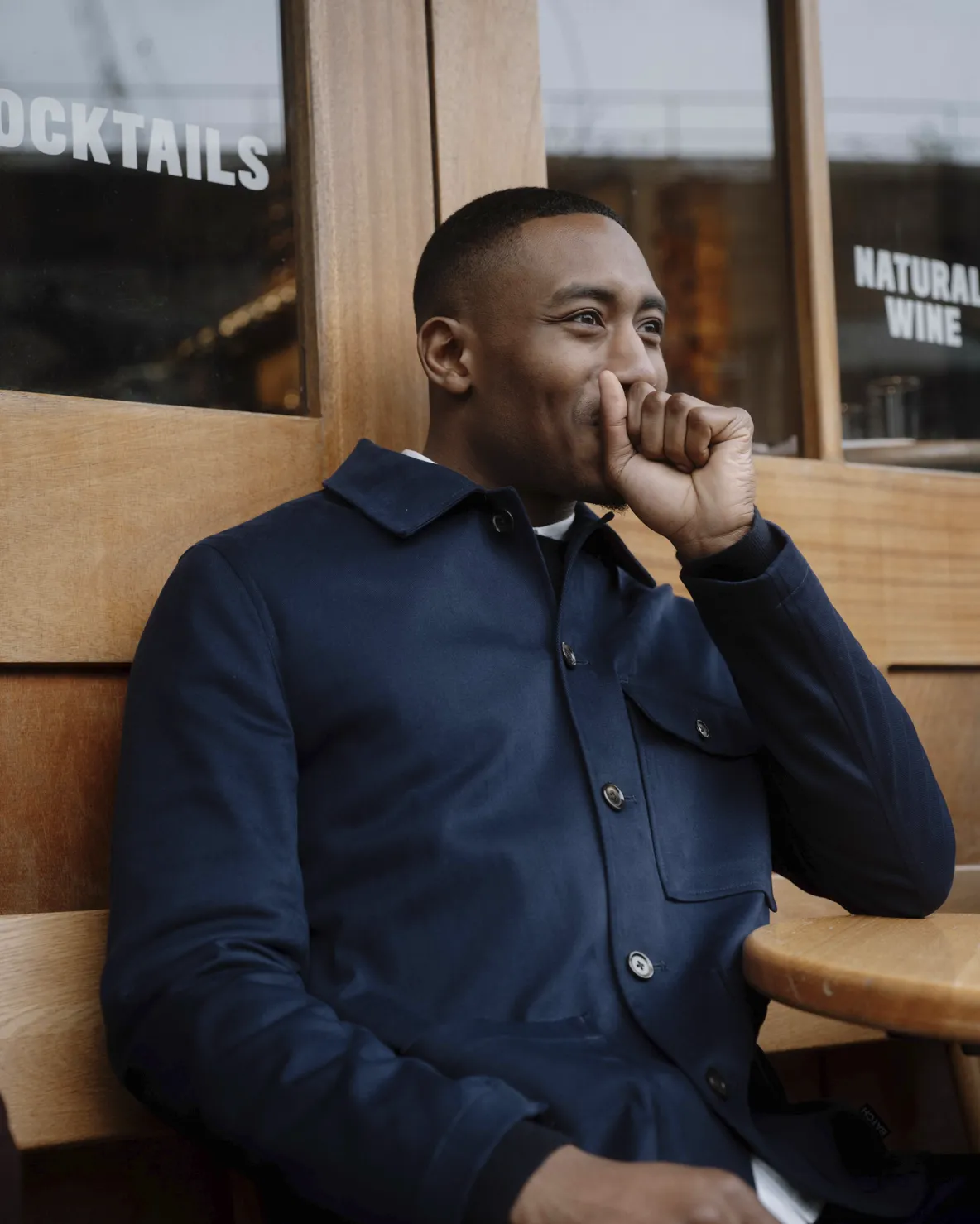
Batch LDN
British menswear brand offering tailored essentials with a focus on fit and quality.

Saint + Sofia
Sustainable fashion brand known for their minimalist womenswear.
Apple Butter Cafe
Apple Butter Café offers a warm welcome for all with its halal all-day dining menu, cosy yet sophisticated surroundings in amongst an iconic and ultimately instagrammable apple tree, planted centre stage for all to see and enjoy.
Dig into gourmet sandwiches and salads, indulgent Middle-Eastern inspired desserts and daily freshly-baked cakes and pastries piled high.
Seven Dial's Hidden Courtyard
Tucked between the lively streets of Seven Dials , discover the iconic Neal's Yard, packed with colour, character and dining hotspots.